
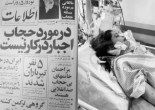
Majid Naficy: The Day Chador Is Not Forced
The day will come when my sisters
No longer wear forced chadors.
Let that day be in summer
So that we can go for a picnic.

Abby Zimet: Iran’s Women Rise Up – and Hack Off Their Hair – for “Woman, Life, Freedom”
Tens of thousands of people have thronged the streets in capital cities around the world for the last two weeks to protest the murder in police custody of Mahsa Amini.
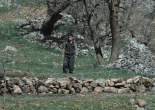
Video: The Kites
A girl is playing on the green slopes of a valley in Kurdistan, on the border between Iran and Iraq, when her kite is suddenly swept across the river by the wind. Three boys on the other side see her calling for help, but cannot make out what she is saying: she is just too far away. Separated by the river, the children try to communicate with each other – yet between them lie the explosive remnants of past wars.

Houman Harouni: The Dervish
The postures I held for long breaths by the flow of the Ganges I did not hold to achieve light I held no star in sight as I turned my … Continue reading

Majid Naficy: A Witness for Ezzat
I want to know what happened
On January 7, 1982
Half past one in the afternoon
In Evin Prison

Medea Benjamin, Nicolas J.S. Davies: Waking from Our Post-9/11 nightmare
Our only hope for the future is to abandon the futile quest for hegemony and instead commit to peace, cooperative diplomacy, international law, and disarmament.

Kaveh Bassiri: Writing Persian
During the hostage crisis, when I was Albanian,
my history teacher conceded, “You’ve to be born into English
to be its rightful citizen.” I wanted to be an American poet,
but was a Persian settler.

Majid Naficy: Censoring Love
Suddenly, I remember Ezzat
Who was shot in Evin Prison
And buried in the Cemetery of the Infidels
In a mass grave without any gravestones.

Belén Fernández: Friedman at 50 Friedman Units
Thanks to Thomas Friedman’s relentless service as a mouthpiece for US empire and capital, he’s permitted to continue churning out his pseudo-thoughts week after week.

Ari Honarvar: When Savoring a Pleasant Moment is a Radical Act
And then someone from another rooftop shouted a verse of Rumi’s poetry into the clear night air.

Domenico Agostini, Samuel Thrope: Apocalyptic Comfort
This is not the end. Lessons from ancient Iran.

Juan Cole: Fundamentalist Pandemics
What Evangelicals Could Learn From The Rubáiyát of Omar Khayyam

Video: Lunch Time
A 16-year-old Iranian girl has been notified by the local morgue to identify her mother’s body. Over the course of the next 15 minutes, this painful task proves to be more difficult than we could have ever imagined in Alireza Ghasemi’s engrossing and humanist portrait “Lunch Time.”

Karen J. Greenberg: While Rome Burns, Trump Gets What He’s Always Wanted
In unsettling ways, the crisis is working for him as previously untenable policy options are becoming essential to curtailing the coronavirus.
