
Vox Populi
A curated webspace for Poetry, Politics, and Nature with over 6,000,000 visitors since 2014 and over 9,000 archived posts.
Sandy Solomon: Hunger
His parents were doctors, Jewish refugees,
with a German-sounding name. In Des Moines,
in a time of war, he’d leave for school each day
carrying his painted metal lunchbox. Inside,
the meal his mother packed: braunschweiger
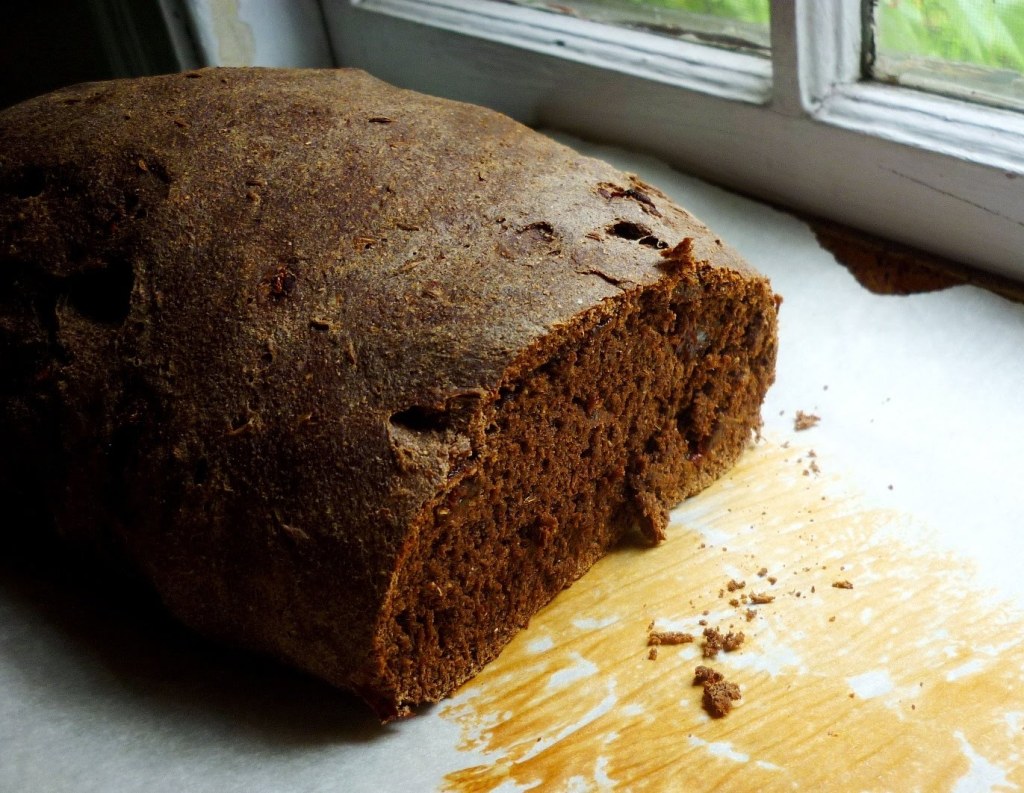
with brown bread, often—pumpernickel,
flag of foreign origin, amid
the white bread sandwiches so many
kids consumed: peanut butter or bologna
mostly. On his walk to school, he’d stop, unobserved,
to open his lunchbox above a bin
where he’d toss that day’s wax-papered
difference, so he could sit at the long table
with friends, heads together over baseball
or games. Thus, he favored one hunger
over the other: to remark in others’ eyes
nothing special, the casual glance only,
to know he belonged there and then with them,
not his parents with their Mein lieber Sohn,
their love wrapped in what he knew as shame.
~~~~
Sandy Solomon teaches at Vanderbilt University where she is Writer in Residence in Vanderbilt’s Creative Writing Program. Her book, Pears, Lake, Sun, which received the Agnes Lynch Starrett Prize from the University of Pittsburgh Press, was published simultaneously in the UK by Peterloo Poets.
Solomon has published poems in The New Yorker, Plume, Scientific American, Kenyon Review, Harvard Review and The Times Literary Supplement.
Copyright 2025 Sandy Solomon
Discover more from Vox Populi
Subscribe to get the latest posts sent to your email.

Oh, the small terrible shame that boy felt.
LikeLike
Yes, the dilemma of the second generation of immigrants. Caught between two cultures and having to choose.
>
LikeLiked by 1 person
Oh! I just love how these enjambed quatrains lead Sandy and thus her readers to “Thus, he favored one hunger /
over the other…” and all that follows. Thank you, Sandy, for another splendid poem.
LikeLike
A WOW! poem.
LikeLike
Yes, wow.
>
LikeLike
heartbreaking, and timely. thank you
LikeLike
Yes, it is. The dark side of assimilation.
>
LikeLike
Hunger, shame, belonging, oh the sadness of needing to reject his parents’ love to be accepted – what a poignant poem.
LikeLiked by 2 people
Yes, it is.
LikeLiked by 1 person
In a time of war, perhaps WW II, the classmates would have been bullying the boy for any signs in him of Germany, including his bread. Jew or not. Powerful take in this poem at how sentiments of parents filter down; with the need for kids to belong to their own generation. Good to think about how the boy solved this lunchroom dilemma.
LikeLiked by 1 person
Fine poem: “he favored one hunger
over the other…”
LikeLiked by 1 person
Yes, I love Sandy’s poems.
>
LikeLiked by 1 person