
Vox Populi
A curated webspace for Poetry, Politics, and Nature with over 6,000,000 visitors since 2014 and over 9,000 archived posts.
Sonali Kolhatkar: 7 Ways to Rise Up Against Trumpism 2.0
Grassroots movements, legal organizations, and nonprofits are leading the opposition.
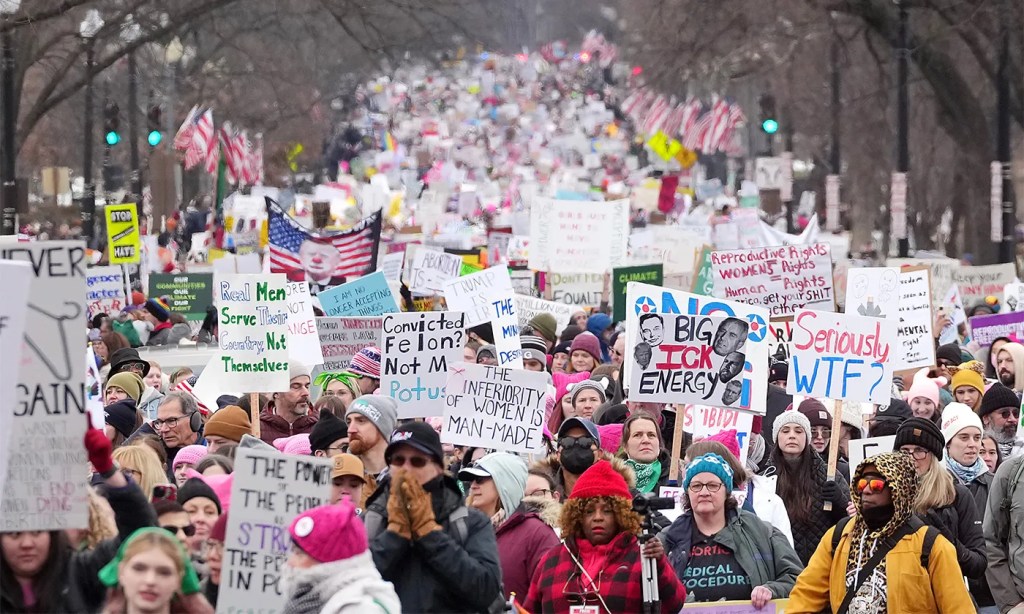
Since Donald Trump’s second term began on Jan. 20, 2025, his administration has aggressively launched a deluge of multipronged attacks on immigrants, transgender people, racial equity initiatives, federal workers, climate regulations, and more. “It is a fire hose right now,” Rep. Jasmine Crockett (D-TX) told the Associated Press. “That’s what he does. He creates a ton of chaos so it’s hard to keep up with it.”
In other words, overloading us so we don’t know where to begin is the point.
But the good news is people are fighting back with every tool at their disposal, from trainings and legal challenges to walkouts and strikes. Here is a non-comprehensive list of ways people across the United States are rising up against Trumpism.
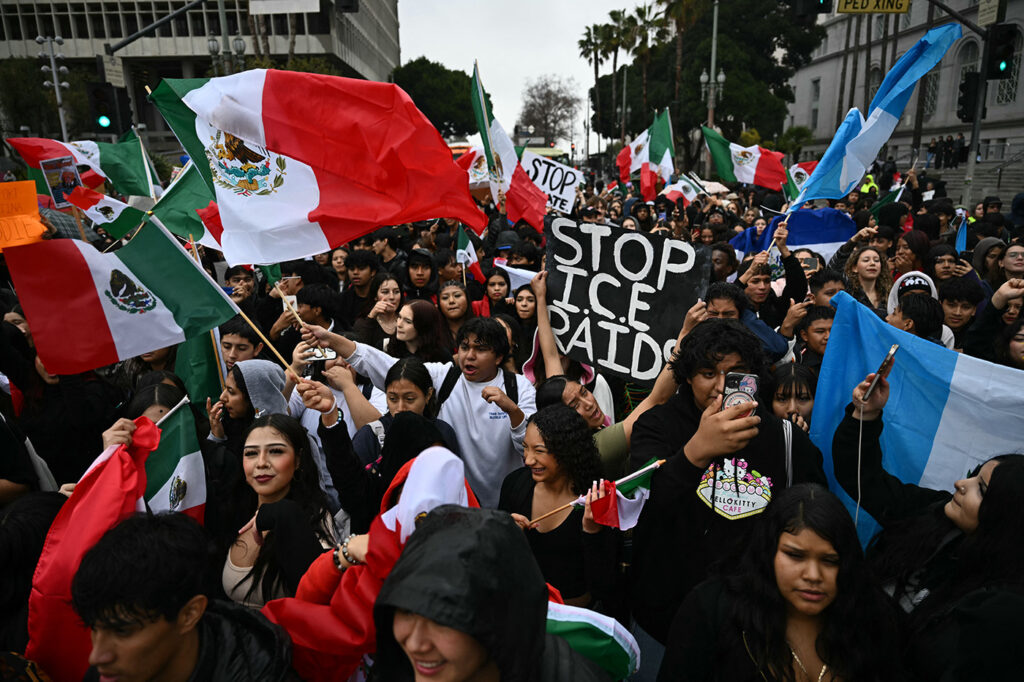
1. Immigrant Rights
“Know Your Rights” trainings are one of the most effective ways to counter Trump’s promised ICE raids against undocumented people and those suspected to be undocumented. Large networks such as the National Day Laborer Organizing Network and smaller local groups such as Empowering Marginalized Asian Communities (EMAC) in Stockton, California, are educating local communities about what their rights are in the event of raids by federal immigration officials. EMAC’s Anti-Deportation Tool Kit is available in numerous South East Asian languages as well as in Spanish.
Groups such as the Inland Coalition for Immigrant Justice in Southern California are also using social media to spread awareness of people’s rights, share ways to report ICE raids on a hotline, and learn how to identify different federal law-enforcement vehicles.
Additionally, students from immigrant and mixed-status families are flexing their grassroots power by leading walkouts at colleges and K-12 schools in protest of ICE raids.
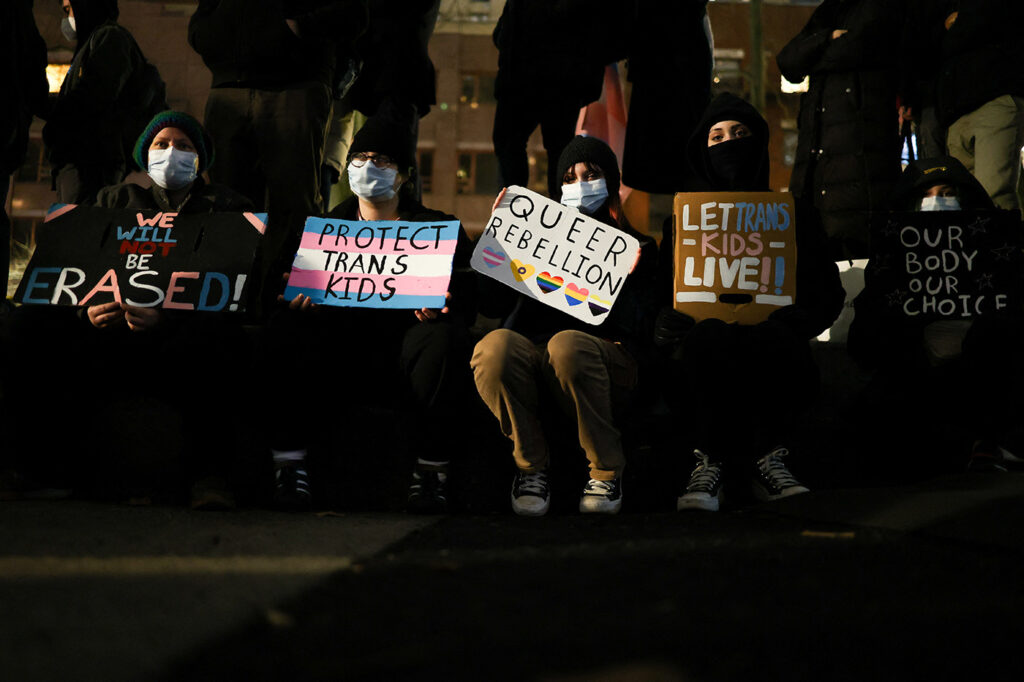
2. Transgender Rights
Trump’s attacks against transgender people include an executive order that bans gender-affirming care for minors. This has caused chaos for those seeking care, as numerous hospitals and providers have abruptly stopped treatments. In response, advocacy organizations GLMA: Health Professionals Advancing LGBTQ+ Equality and PFLAG have joined forces to launch a federal legal challenge against the administration.
Some doctors are heroically providing care to their patients in the face of Trump’s ban, promising to continue until they are forced to stop. And State Attorney General of New York Letitia James issued an order for providers in New York to continue necessary care in line with state laws.
Meanwhile, transgender-led media outlets such as Translash as well as individual journalists are rewriting narratives on trans rights.
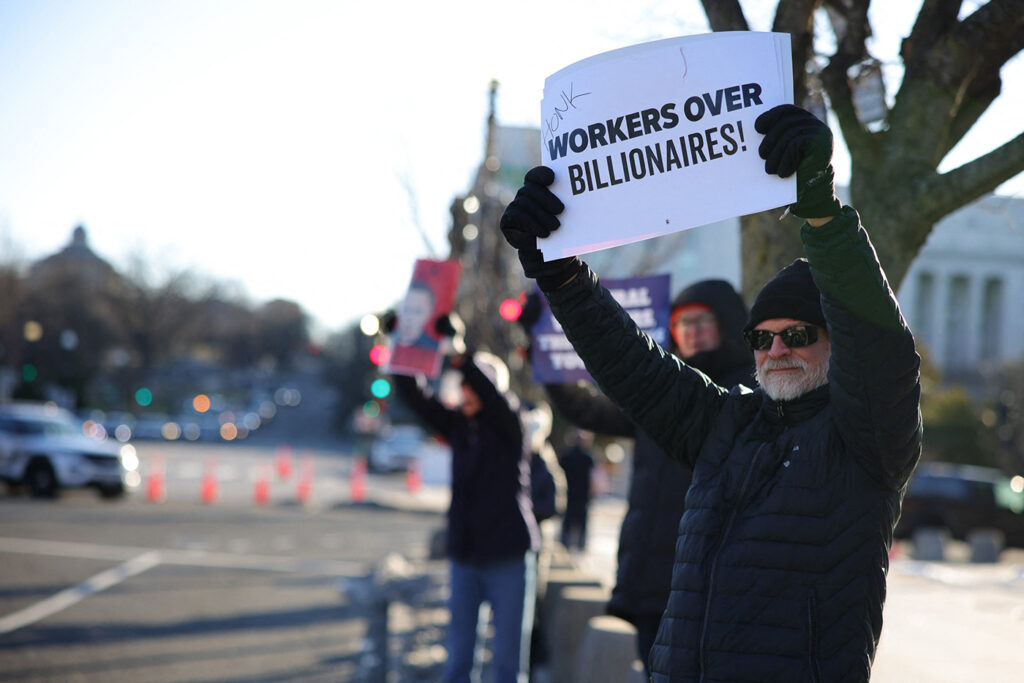
3. Workers Rights
Though labor unions are very popular among people in the United States, the Trump administration is still firing federal workers en masse and hamstringing the National Labor Relations Board, which became a bulwark against corporate resistance to unions under the Biden administration. In response to these actions, the American Federation of Government Employees, which represents more than 800,000 federal workers, has legally challenged Trump’s moves.
Labor rights activists are also working at the state level to push attorneys general and governors to step in and fortify already existing protections. Additionally, workers at Amazon and Starbucks launched strikes in December 2024, in anticipation of Trump’s anti-labor stance. And unions are slowly changing the way they organize rank-and-file workers, making their institutions less hierarchical and more responsive to worker needs and concerns. According to labor writer Eric Blanc, that reorganization can make unions more resilient in the face of Trump’s anti-labor policies.
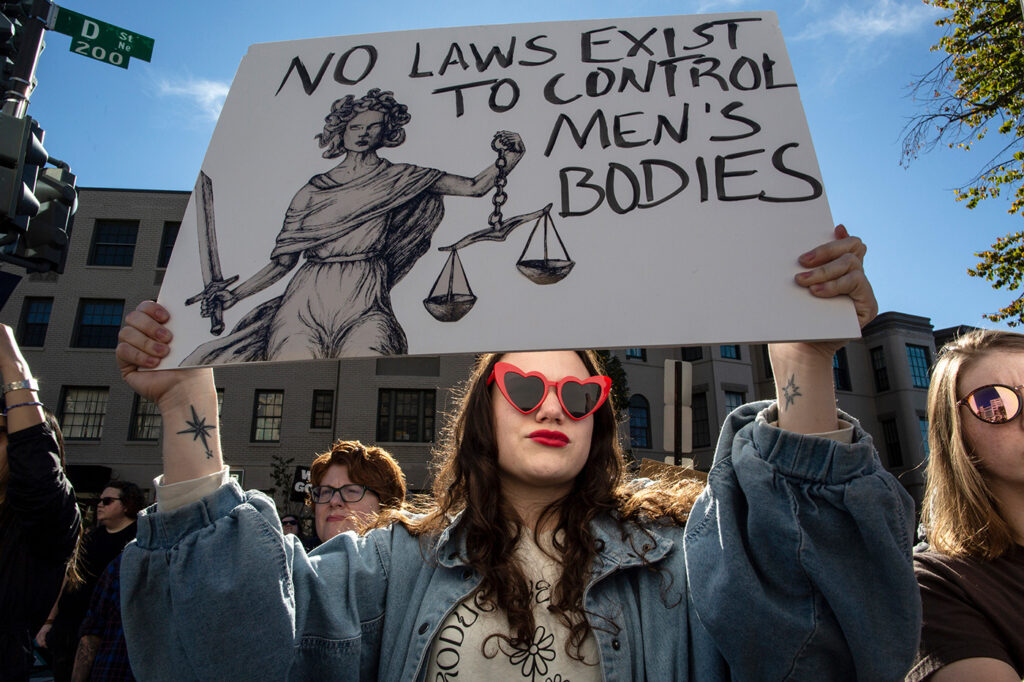
4. Reproductive Rights
Newly confirmed Health Secretary Robert F. Kennedy Jr. has sparked deep concern among medical professionals because of his anti-vaccine stances and conspiracy theories on health. And, as Trump solidified his anti-abortion stance, Kennedy appears to have fallen in line.
But access to abortion procedures remains popular throughout the nation, so much so that seven states passed ballot measures last November protecting abortion care, three of which voted for Trump.
Meanwhile, state governors are also intervening to protect abortion access. North Carolina Governor Josh Stein has moved to ensure his state will not allow federal enforcement of abortion restrictions, and New Jersey Governor Phil Murphy announced his state will begin stockpiling mifepristone, which can be used to induce abortion.
The Abortion Defense Network is offering legal support for abortion providers and the National Abortion Federation has a hotline for those needing abortion care. Individuals have also begun stockpiling abortion pills, obtaining them from groups such as Aid Access and Plan C.
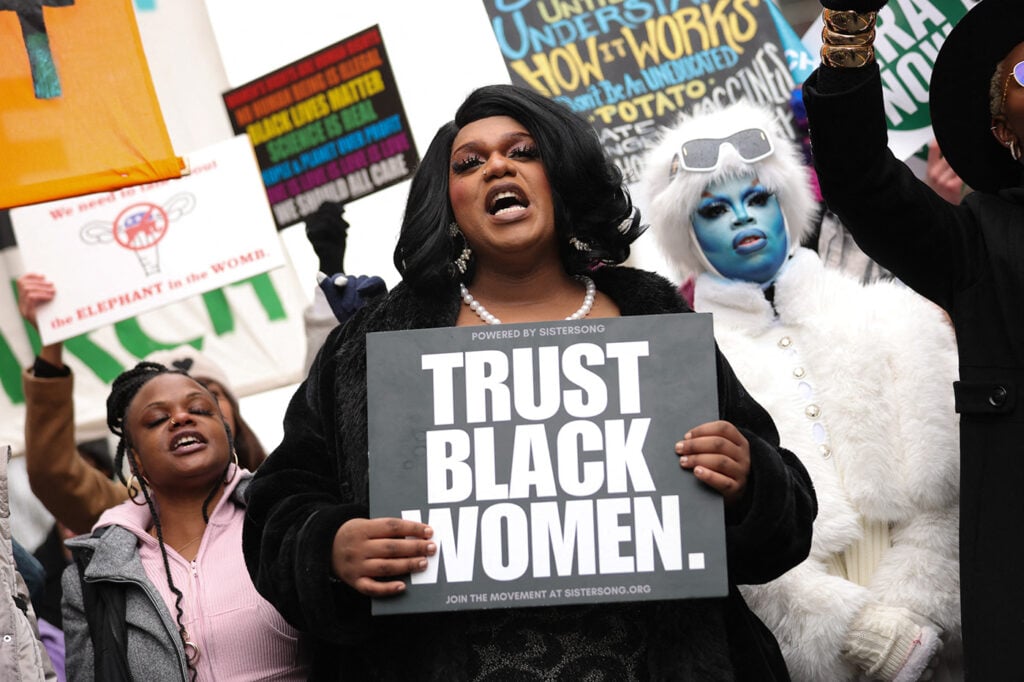
5. Racial Justice and Equity
One of Trump’s most high-profile actions has been banning diversity, equity, and inclusion (DEI) initiatives in the federal government and threatening private institutions to not implement such programs. Under his purview, the Department of Education has dismantled its DEI programs.
In response, a coalition of DEI advocates, including the National Association of Diversity Officers in Higher Education, has filed a lawsuit against the administration, saying the DEI bans are vague and unconstitutional. The ACLU has also taken similar legal action.
While some schools and faculty are complying with Trump’s orders, others are holding firm and resisting. A network of community college leaders called Education for All is going further by educating its members on how to resist the DEI bans.
As private corporations like Target have announced they will roll back DEI programs, many others plan to preserve them. Some consumers say they will participate in a one-day boycott on Feb. 28, in protest of corporate DEI rollbacks.
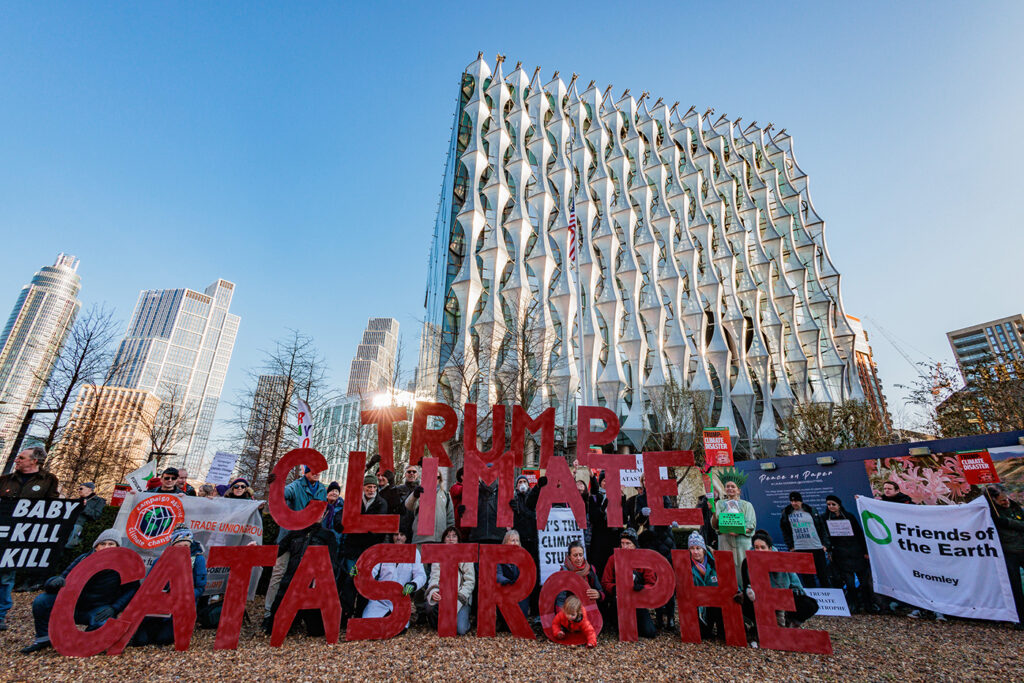
6. Climate Justice
The Trump administration pulled back on the United States’ global climate commitments while also launching an immediate and massive rollback of funding for climate and environmental initiatives, especially those aimed at assisting Black and Brown communities.
Large environmental organizations such as the Center for Biological Diversity and the Natural Resources Defense Council have already planned legal challenges to Trump’s actions. These organizations have a track record of winning a majority of such cases during Trump’s first term. States like California are doing the same.
Environmental leaders are also vowing to fight back and climate activists are promising disruptive, though peaceful, actions.
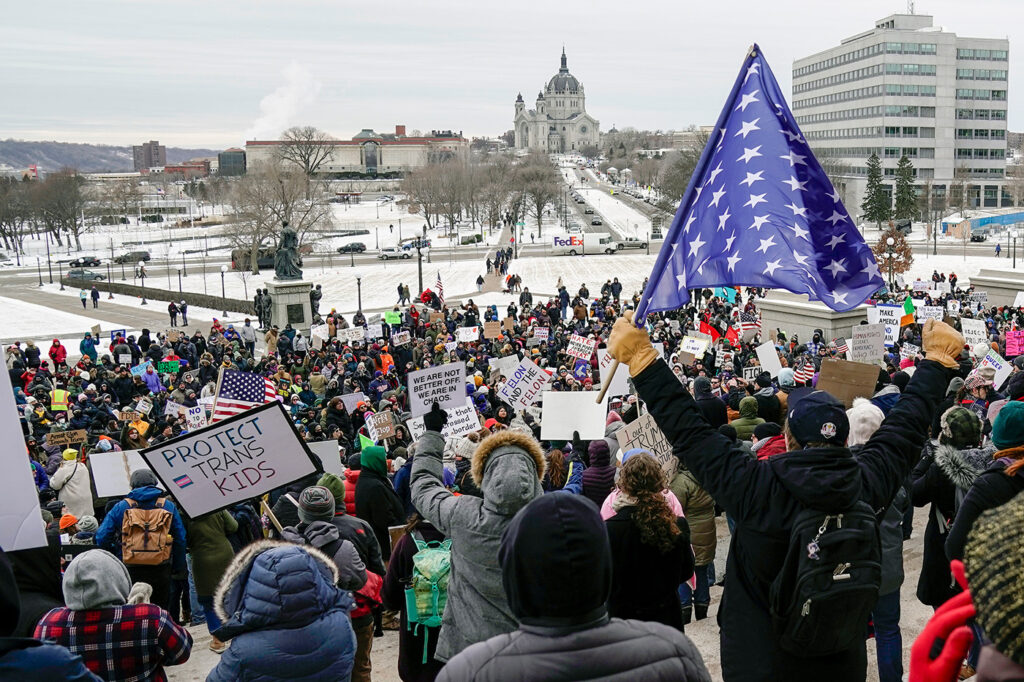
7. General Strike
Americans are angry about Trump’s slash-and-burn approach to government. They’re so enraged, in fact, that millions have been making phone calls to their Congressional representatives, crippling phone lines. Unfortunately the opposition party is, in the words of The Nation’s Chris Lehmann, “floundering.”
In such a political vacuum, a grassroots effort to la a general strikethat is gaining traction. Based on research showing that 3.5% of a nation’s population striking from work can force leaders to meet their demands, the effort is calling on people to make a pledge to strike by signing strike cards.
As of this writing, more than 200,000 people have signed strike pledges. The goal is 11 million people.

SONALI KOLHATKAR is an award-winning multimedia journalist, and host and creator of YES! Presents: Rising Up with Sonali, a nationally syndicated television and radio program. She is the author of Rising Up: The Power of Narrative in Pursuing Racial Justice (2023) and Bleeding Afghanistan: Washington, Warlords, and the Propaganda of Silence (2005). Her forthcoming book is called Talking About Abolition (Seven Stories Press, 2025). Sonali is co-director of the nonprofit group, Afghan Women’s Mission which she helped to co-found in 2000. |
First published in YES! Magazine. Included in Vox Populi with permission.
Discover more from Vox Populi
Subscribe to get the latest posts sent to your email.

Social media got us all into this mess and it might just get us out of it. Corporate media surely won’t – they’ve all bent the knee and kissed the ring. I wish I could participate and hope fervently that the upswell of fury and rejection will be strong, persistent, and successful before there comes an inflection point of almost no return. I don’t think Americans will accept this outrage for very much longer now that it dawns even on the most ignorant that they ‘cut their own nose to spite their face’.
LikeLiked by 4 people
Yes, people voted for Trump because they were sick of the social agenda they felt was being forced on them. They’ve watched their lives and communities deteriorate in recent decades, and they wrongly blamed the Democrats, rather than international corporations, for this decline. But the voters didn’t realize that Trump was telling the truth about his racist, fascist agenda, so now we are like the Germans in 1934 sliding into self-immolation.
>
LikeLiked by 2 people
Thank you for this, Sonali Kolhatkar and Vox Populi. Starting on Martin Luther King Day, which was also the first day of the second reign of a creature whose name has become so detestable to me I won’t even use the word as a verb any more, I vowed I would do everything I can, for whatever time remains to me, to stand against fascism. On “Not my presidents” Day I took part in one of the many 50501 demonstrations happening across the country. Even though it had been very little publicized, there were hundreds of us present. Over the past weekend I joined many other concerned citizens in a well-organized “stand up for science” rally. Most notable to me: my fellow participants at each of these events were all vocal and resolute; I engaged in short but valuable conversations with quite a few people, none of whom I had ever met before. Knowing we are all determined to stand up and be counted gives me strength. I have always been an enthusiastic “postcards to voters” person and I have been writing as many of them as my arthritic fingers can handle. To feel powerless is be incapacitated. Reading Sonali Kolhatkar’s list here reminds me there is plenty to be done, and we (the people) are doing things.
LikeLiked by 3 people
Perfectly said! Thank you! Many of us stand with you.
>
LikeLiked by 2 people