
Vox Populi
A curated webspace for Poetry, Politics, and Nature with over 6,000,000 visitors since 2014 and over 9,000 archived posts.
Sandy Solomon: Grief
I know the lion and the elephant
are doomed as surely as I read
about the so-called extinction
event on which the world is already
launched. None of my favorite
animals will be spared: whales
or sloths, orangutans or pandas,
gorillas or bears. All the verbs
are passive here—no one in charge,
all complicit: the poor anxious
to survive; the rich who take the greatest
share, the greatest profit; the careless;
the lazy; consumers loading their trolleys.
Us. Me. I know, but won’t
admit, as I move back and forth
down the supermarket aisles,
the way I move back and forth
through grief’s famous stages. My feelings
tug: Now, I’m sad. Now,
resigned. Now denying. Sometimes,
absurdly, I bargain: let dolphins
survive, I think; let sea
turtles, tigers, manatees
survive, and I’ll buy fewer plastic
cups, I’ll leave the car parked.
Let me die first, I often think,
so I don’t have to see what happens
to the world I love, even familiars,
like those finches outside my window.
We’ve killed their insect food, their roosts.
The trees we didn’t fell, too often
we watched sicken or parch or burn.
Today, the neighbor paid to raze
three grand, healthy shade trees—
saws buzzing to rip scent
from raw-cut sapwood and heartwood;
to release crack and sigh and crash.
Sometimes I’m angry, but angry at whom?
Him? Everyone else? Myself?
Mostly I’m sad, again. Angry,
again. Sometimes, I hope. I hope
that some unforeseen change,
some deus ex machina,
will save the world my childhood knew,
as the known, undefined deadline
floats, threat level high,
swaying, waving—like green leaves
on downed branches beside their severed
trunk, the stump rooted still,
painted still with a red X—
in the shifting currents of what we’ve made
and can’t stop. Won’t? These many
moods confuse my sense of truth.
And mostly, now, I want to look
away—at sea-green curtains, say,
belled on autumn’s summery breeze.
~~~~
Copyright 2024 Sandy Solomon
Sandy Solomon is the author of Pears, Lake, Sun published by the University of Pittsburgh Press. Her poems have been published in The New Yorker and The New Republic. She divides her time between Nashville, Tennessee and Suffolk, England.
Discover more from Vox Populi
Subscribe to get the latest posts sent to your email.

What a sadly brilliant poem. Devastating.
LikeLike
Sandy really is a brilliant poet. A poet of exacting craft.
>
LikeLike
Those concerned turned off room lights when not being used, parcelled out heating and cooling only when absolutely necessary, didn’t eat meat, gave up cars and rode bicycles, recycled what could be recycled, bought clothes and other items at thrift shops, lobbied, voted, wrote articles and poems, marched. But vast majority did none of that, just kept exceeding the speed limit in their huge, gas-guzzling SUVs. This is how the world ends.
LikeLiked by 1 person
Yes, this is how…
>
LikeLiked by 1 person
Sadly, I know this feeling too well. Is there anyone alive not infected by this grief? And by this sense of complicity? This poem dovetails completely with my recent poem on these pages ‘Our Griefs’. Imagine the anthology of grief poems we could produce. And I, too, am looking, helplessly, for some kind of divine intervention that will save us all (given that we clearly aren’t going to save ourselves). Thank you for this poem.
LikeLiked by 1 person
Thanks, David. Yes, grief seems to be the VP theme lately…
>
LikeLiked by 1 person
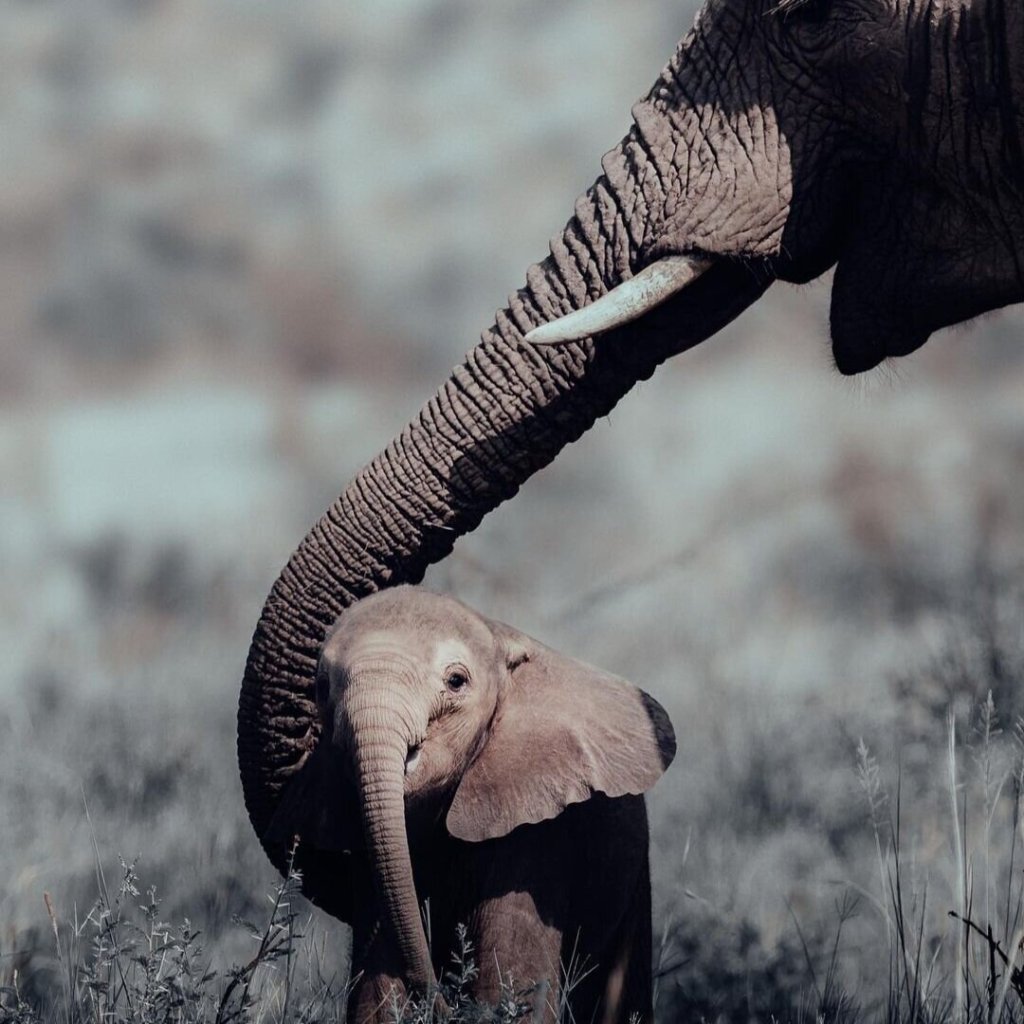
Grief is the apt title for this poem. And it’s anticipatory grief that will go on for generations. I’m still biased toward the sentient beings. I cry most for the elephants who remember their losses, who know sadness, who throw dust over their dead.
LikeLiked by 2 people
This poem perfectly captures the feeling I’ve had for years. Clearly, the earth would be better without humans.
LikeLiked by 1 person
This poem pushed all my buttons. And, as I have said far too often, I grieve for my kids’ and grandkids’ world. And yet, more often than not I am with Sandy Solomon: “Let me die first, I often think, / so I don’t have to see what happens / to the world I love”
LikeLiked by 2 people
Very sad. I grieve for the future generations who will live in a diminished world.
>
LikeLiked by 1 person
Thank you
LikeLiked by 1 person
Sandy articulates what so many of us experience. Her poem paired with the elephant photo brings both the impulse to weep and the determination to try harder to prevent complete catastrophe. Thank you.
LikeLiked by 3 people
Well-said, Luray. Thank you.
>
LikeLiked by 2 people
Sandy: I’m sad to call a poem that’s so right on, that identifies my own complicity in the world’s demise: beautiful and appreciate its craftsmanship in regular terms. It’s the same challenge as adoring our species, imagining our own grandchildren we seem hell-bent on unpreparing this world for and what they will face in not too many years. Even now.
The last Hurricane landed tornados and tore up buildings two blocks from my son’s house a few weeks ago where three of our grandchildren dwell. And so the next poem could be about them walking down the streets gawking at their good fortune and someone else’s unfathomable damage, as if a horror movie had just come close, not even to imagine the insurance metrics gone haywire making some of us homeless next billing cycle if there’s a bank involved, and why wouldn’t there be?
There is a heinous mixture of emotions even now for the heart to employ if it cares to just a little in those aisles where so much of the world is being gobbled up for not much more than our bemused attention. Ser Wendell, [even he] has said it’s not possible for him to lead a moral life in this world.
your poem is very important this moment and I’m grateful for it.
LikeLiked by 4 people
Perfect, Sean. Thank you.
>
LikeLiked by 1 person
Powerful lamentation. Yes: “save the world my childhood knew.” Thank you.
LikeLiked by 3 people
I love the understated intensity of Sandy’s poems.
>
LikeLiked by 2 people