
Vox Populi
A curated webspace for Poetry, Politics, and Nature with over 6,000,000 visitors since 2014 and over 9,000 archived posts.
Heather Davis: Spare No Detail | Three Poems about Gaza
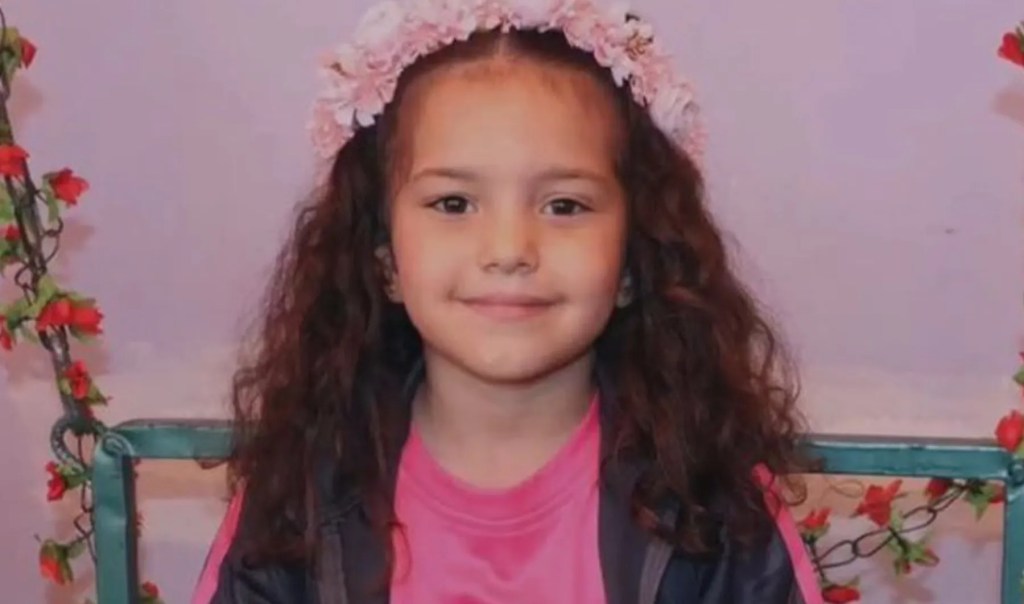
The Genocide Will Be Televised
I have a new nighttime routine. Some would say
it isn’t healthy. After the ordinary workings
of a day whose safety glints in absurd relief,
I eat images.
When the kids are in bed,
the baths given, teeth brushed,
lights turned off, house locked, alarm set,
I lick my lips, take a front row seat.
Not because I want to look,
but because the players
have claimed me from thousands of miles away:
their ravenous hunger, their stories and suffering,
their smiles, the colossal will to live.
The players are women
not unlike myself, parents not unlike my parents,
brothers, sisters, children familiar as breath.
Imagine a smart phone with crystal clear transmission
set in every corner of Auschwitz in 1943. Surely, we
would have saved them, every one.
Now place those phones in Gaza. Add in
the sound of bombs, tanks, guns, their fiery
explosions. Stream video of shredded limbs, hands
reaching from under rubble, the torsos of toddlers
tossed aside like toys, girls without heads, the skeletal bodies
of infants curled into themselves.
Spare no detail. Share it all.
It’s my time
to relax before sleep, but I can’t stop consuming,
taking ravaged bodies into mine.
Israel has trapped me
with six-year-old Hind Rajab, who cries in my ear
to be rescued from this bombed car,
her slaughtered family around us, the tank faceless
and aimed right here.
~~~
Every Day Is Washing Day
Driving home, bleak news
drags charcoal clouds
to the horizon and I yearn
to do the laundry, to gather
rumpled shirts and pants
from the four corners of the house,
carry them down the dusty staircase
in a yellow plastic basket. No
flashing images of bombs in Gaza,
no shards of broken sleep jagged
behind my eyes. Hot water streaming
into the barrel will be beautiful
as tending a garden or treating a wound
is beautiful. As being human
can be beautiful. How I crave
these simple actions, moving
the damp bundle to the dryer,
then later, pulling fragrant clothes
into my arms. No tears, no rivulets
of blood, no splintered bone. Folding
a dress will happen quietly, not one
scream of pain. I will not think of
the suffering, will not have
disquieting dreams. The angry
slaughter of children will not touch me
from thousands of miles away. I will place
the clean socks into their drawers, bras, tights,
and sweaters into dressers, my son’s gym shorts
into his sports bag, clean, safe, and ready
for play, an act so holy, every mother
will envy me, every father weep for joy.
~~~
The Distraction
The bikes fly by on Haarlemmerstraat
on a rare sunny day after gray skies.
You are a tourist but feel at home
in a city where babies ride in bins
attached to their mother’s or father’s bikes.
The flowers have finally opened their eyes
to glance up at passersby
as they cross bridge after bridge.
This morning, the canals wave
promises for better days. Or is it
still the night before in Dam Square
where four protesters stand in the chill
and rain, drumming, crying into the dark
to redirect our attention—away
from the grandness of the royal palace
and the kitsch of the shop at the corner
chock full of yellow clogs, chocolates,
and cheese—to Gaza’s hunger,
its children forced to choke down
horse feed, their families jumbled
under rubble, entire bloodlines
gone. Standing on slick cobblestones,
the young woman in the long black coat
and red heels screams until her voice
becomes a raw scraping, holds the bullhorn
like it might bore a hole in the night, a portal
to a place where people do not tear other people
apart. Do you join her though you’re no local?
Do you lend your voice though the square
seems to swallow all the noise they make?
~~~~~
Copyright 2024 Heather Davis
Heather Davis lives in Lancaster, PA and works in international public health.
Discover more from Vox Populi
Subscribe to get the latest posts sent to your email.

Exquisitely, painfully beautiful. Thank you, Heather.
LikeLike
Exquisitely, painfully beautiful. Thank you, Heather.
LikeLike
“Imagine a smart phone with crystal clear transmission
set in every corner of Auschwitz in 1943. Surely, we
would have saved them, every one.
Now place those phones in Gaza. Add in
the sound of bombs, tanks, guns, their fiery
explosions. Stream video of shredded limbs, hands
reaching from under rubble, the torsos of toddlers
tossed aside like toys, girls without heads, the skeletal bodies
of infants curled into themselves.”
I can’t look anymore.
LikeLiked by 1 person
“the tank faceless
and aimed right here.”
LikeLiked by 3 people