
Vox Populi
A curated webspace for Poetry, Politics, and Nature with over 6,000,000 visitors since 2014 and over 9,000 archived posts.
Mandy Fessenden-Brauer: Two Poems About the Orchards of Gaza
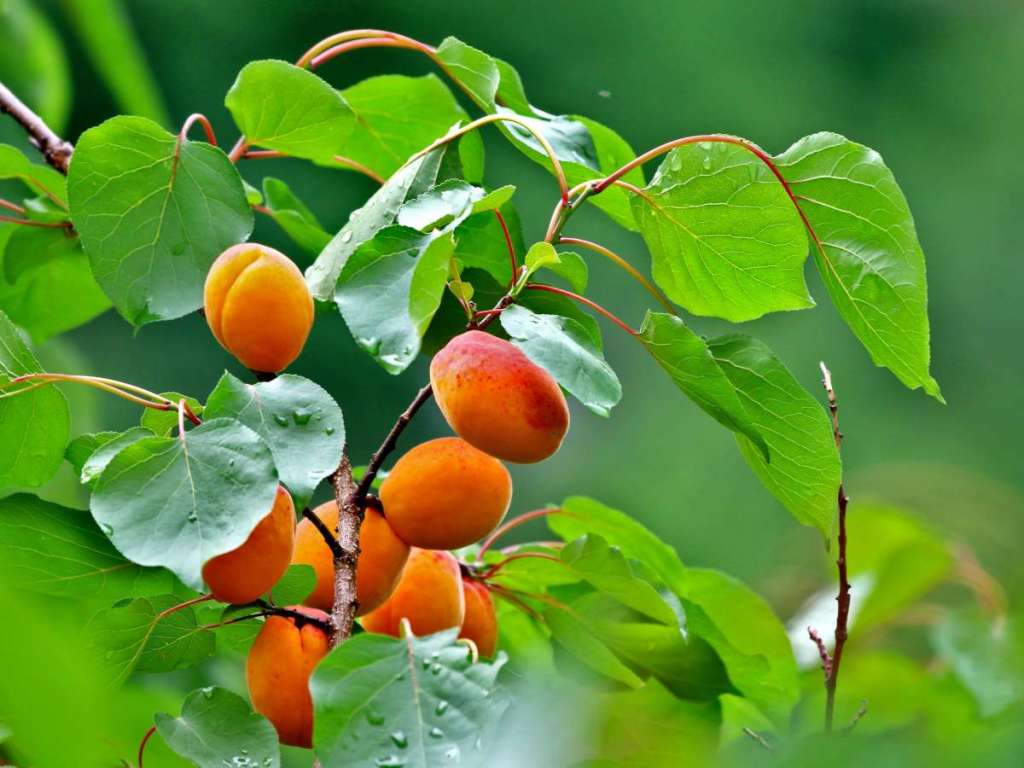
Although it’s one of the most densely populated areas in the world, Gaza’s always had a distinct rural quality. Everyone grew something, some in agricultural areas away from their homes. Even in the very crowded refugee camps there were small atriums with a tree and potted plants. People looked forward to apricot season especially, and for weeks there was talk about when the little fruits would be best for eating. During times of extreme warfare, fresh fruit was a pleasurable memory, like “life forever renewed.” Currently for so many, food and water, the basis of life, can only be imagined as ethnic cleansing continues.
***
MISH MISH
Written in 1998
Apricot season lasts
only a few weeks.
In Gaza, war talk
stops in anticipation
of the delicious fruit,
called in Arabic,
Mish Mish.
How many orange
tabby cats
have that name,
carry the memory
of perpetual spring,
of life forever
renewed?
***
NEGLECTED ORCHARDS
Written in 2002
Life is renewed even in neglected orchards
where winter winds pucker forgotten fruit
and frost dusts across like a warm blanket
camouflaging whatever has fallen down.
What some find useless others merely cinch,
like lavender bundles up the dead in churches,
where perpetual agony is the crux of the cross
and fading memory is constantly flummoxed
by dreams of Crusades and wars at midnight,
while the grail is silenced by the loaded gun
tumbling and tumbling through the lighted sky
spilling martyrs’ blood on gnarled produce
eaten now only in nightmarish dreams
weighted down by a world that waits.
Copyright 2024 Mandy Fessenden-Brauer
Mandy Fessenden-Brauer is a poet and teacher who lived in the Gaza Strip from 1989-1991 during the First Intifada because her husband had a job with UNRWA. She is a clinical child psychologist and has many books for children published in Egypt in Arabic and English. She currently lives between Egypt and Bali.
Discover more from Vox Populi
Subscribe to get the latest posts sent to your email.

Yes, what Julie Roehm said, “So much grief, so beautifully stated.”💔
LikeLike
Such powerful reminders of the humanity of the people of Gaza. Wonderful, lyrical, painful poems that broke my heart. I just refuse to call it ‘ethnic cleansing’. That was the cynical eupemism used by the Serbs when they committed genocide against the Bosnian Muslims. It’s genocide in my book.
LikeLike
Heartbreaking. And to read “salehrazzouk” comments make the poem it even dearer to me. “Brother of Sugar” — how beautiful!
LikeLiked by 1 person
I meant poems, not poem singular. And the photo of those apricots is so gorgeous…
LikeLike
Yes, Saleh is a poet, translator and my good friend, originally from Syria, now living in UAE.
>
LikeLike
Thank you for these moving poems. I am teary eyed and angry and still find myself reaching for the sweetness of apricots. So much grief, so beautifully stated.
LikeLiked by 1 person
Moving poems.
concerning Mish Mish. We have alternative names in Levant, we name it beside Mish Mish,
Lousiah لوزية. Or Shakar Barrah شكر برة. Maybe of Kurdish origin meaning the brother of sugar. But just was informed it is called in Yemen Barkouk برقوق.
Still the poem in English is passionate and sweet enough.
LikeLiked by 1 person
Lovely, Saleh. Thank you.
>
LikeLike
Thank you for your informative and kind response, Saleh.
LikeLike