
Vox Populi
A curated webspace for Poetry, Politics, and Nature with over 6,000,000 visitors since 2014 and over 9,000 archived posts.
Rusty Long: Survivalist Architecture
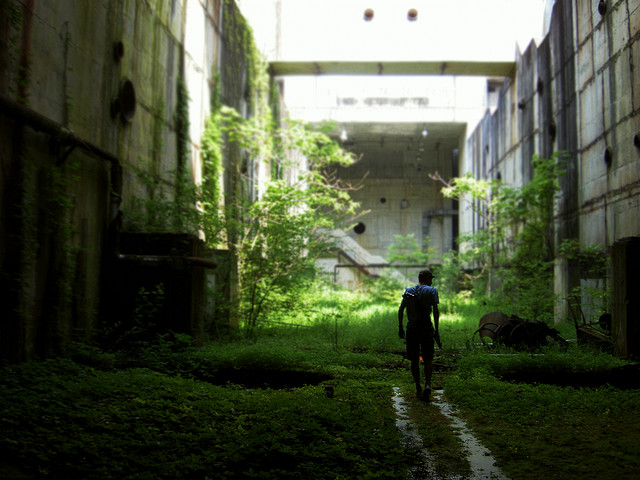
It’s no secret that we’re an apocalypse obsessed culture. The building industry at-large has done a relatively effective job focusing on the threat of climate change, but there are a variety of worst-case scenarios that a holistic approach to sustainability will better prepare the general public to survive.

Whether the apocalypse du jour involves the arrival of peak oil, a Mayan prophecy predicting planetary disaster, or a run of the mill zombie apocalypse, there are some key design features that every architect can focus on to ensure their clients are better prepared for any end times scenario.
- Energy Efficient Building Envelope – In an environment of scarce resources, the less energy a building requires, the better
- Passive Solar Orientation – Key to both passive heating and natural daylighting, this is a key element to any survivalist compound
- Operable Windows – One man’s cross ventilation is another man’s sniper nest. Whether defending your homestead against zombie hordes or roving motorcycle gangs, you’re sure to find a use for several well placed operable windows
- Rain Catchment Systems – Let’s face it, there’s no scenario on the table where potable water and sanitary sewer services will remain operational, so a basic greywater system is really a non-negotiable item to any project
- Green Roof – (Specifically a rooftop garden) Growing one’s own food is always a good idea, growing one’s own food in a reasonably defensible and concealable location is quite another
- Solar Power / Photovoltaics – While the likelihood of finding repair parts in a post apocalypse wasteland is slim, the availability of electricity could be particularly useful during the transition period, provided your neighbors don’t know you have it
- Wind Turbines – Similar to photovoltaics, except everyone will know you have it
- Long-Life / Low Maintenance Materials – You’re going to be plenty busy dealing with the day to day business of hoarding supplies and scavenging for food, the last thing that’s going to be on your mind is, “When was the last time I cleaned the gutters?”
- Low VOC (Volatile Organic Compound) Materials – There’s a significant chance you’ll be spending a whole lot of time indoors, the last thing you need is to be dealing with Sick Building Syndrome at the same time
- Common Sense – There’s no substitute for it… The Farnsworth House is fun to look at and photograph, but can you imagine making your last stand there?
While there is no single one-size-fits-all strategy or solution to plan for every potential end-of-the-world-as-we-know-it scenario, a comprehensive approach to sustainability can be a key factor in prepping each and every client for the inevitable, horrific end that is surely waiting just around the corner for us all.
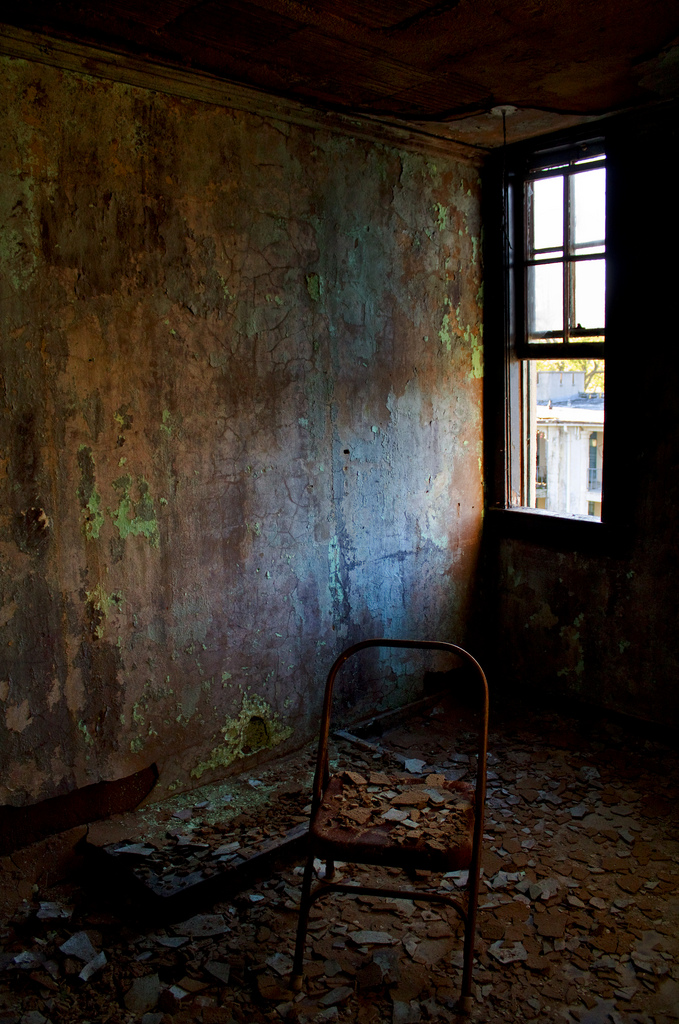
Photos are from Avius Quovis’ photostream on Flickr (used under creative commons license)
This post first appeared in Coffee with an Architect.
Rusty Long is an architect located in Cary, North Carolina with a focus sustainability and community engagement. Licensed to practice in North Carolina and Virginia, Long specializes in single family and multifamily housing, adaptive reuse projects, and context appropriate renovations; he balances his modern sensibilities with a profound respect for the historic vernacular structures of the rural American South.
Discover more from Vox Populi
Subscribe to get the latest posts sent to your email.

Let’s all go Hobbit. Please.
LikeLike
Eva and I often refer to ourselves as hobbits. It is our aspiration to live simply and enjoy life.
>
LikeLike
3/2A little bit of humour for futuristic living, something we probably won’t have to worry about! Susan
LikeLike
Yes, the dark humor of the piece engages me.
>
LikeLike
Intriguing article—a serious topic, a light mode of delivery. When you look at the rubble of Gaza, and consider mold-infested houses, fossil-fuel-derived building materials, vast open-plan McMansions, you do have to wonder what a future architecture must look like. We are not even building for now, let alone the future.
LikeLike
I agree. The tone of the article is light, but the prospects for our built environment are dire.
LikeLike