
Vox Populi
A curated webspace for Poetry, Politics, and Nature with over 6,000,000 visitors since 2014 and over 9,000 archived posts.
Yehuda Amichai: The Place Where We Are Right
From the place where we are right
Flowers will never grow
In the spring.
The place where we are right
Is hard and trampled
Like a yard.
But doubts and loves
Dig up the world
Like a mole, a plow.
And a whisper will be heard in the place
Where the ruined
House once stood.
Translation by Chana Bloch and Stephen Mitchell. Copyright 1987. Included in Vox Populi for noncommercial educational purposes only.
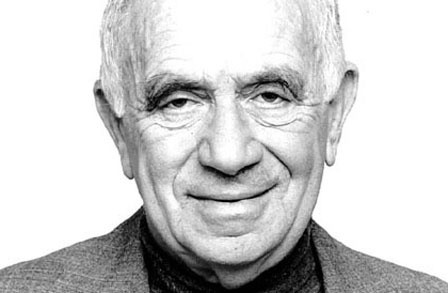
Yehuda Amichai (1924 – 2000) is generally regarded as Modern Hebrew’s most important poet. He was born in Germany, then immigrated with his family to Palestine in 1936. He fought in the Israeli War of Independence as a young man, but became an advocate of peace and reconciliation in the region.
Discover more from Vox Populi
Subscribe to get the latest posts sent to your email.

What an amazing poet. I love how he wrote in his poem “Ein Yahav”:
“there I saw hope barbed as barbed wire.
And I said to myself: That’s true, hope needs to be
like barbed wire to keep out despair,
hope must be a mine field.”
LikeLike
I love this poem. Thank you, Michael, for sharing. Donna
>
LikeLiked by 1 person
Thank you, Donna, for reading VP! I love Amichai!
>
LikeLiked by 1 person
I love him too!
LikeLiked by 1 person
I just re-read that poem by Philip Terman: Darwish and Amichai Share Poems in Heaven. It’s still so actual. (The link to this poem is below today’s Amichai poem on this page) Thank you, Michael.
LikeLike
Yes, I’m grateful to Phil and Saleh and Chana and all the other poets who translate work into English.
>
LikeLiked by 2 people
Oh, I so love his poetry and his wisdom. And this one is no exception.
LikeLiked by 1 person
Pre Islamic poets used to call the ruins “some thing like a tatoo on the back of the hand”. Western culture named it writings on the body. The phrase is different but the meaning is same.
This short poem is good.
LikeLiked by 1 person
Thanks, Saleh!
>
LikeLike