
Vox Populi
A curated webspace for Poetry, Politics, and Nature with over 6,000,000 visitors since 2014 and over 9,000 archived posts.
Sandy Solomon: Diary of Amelia Stewart Knight
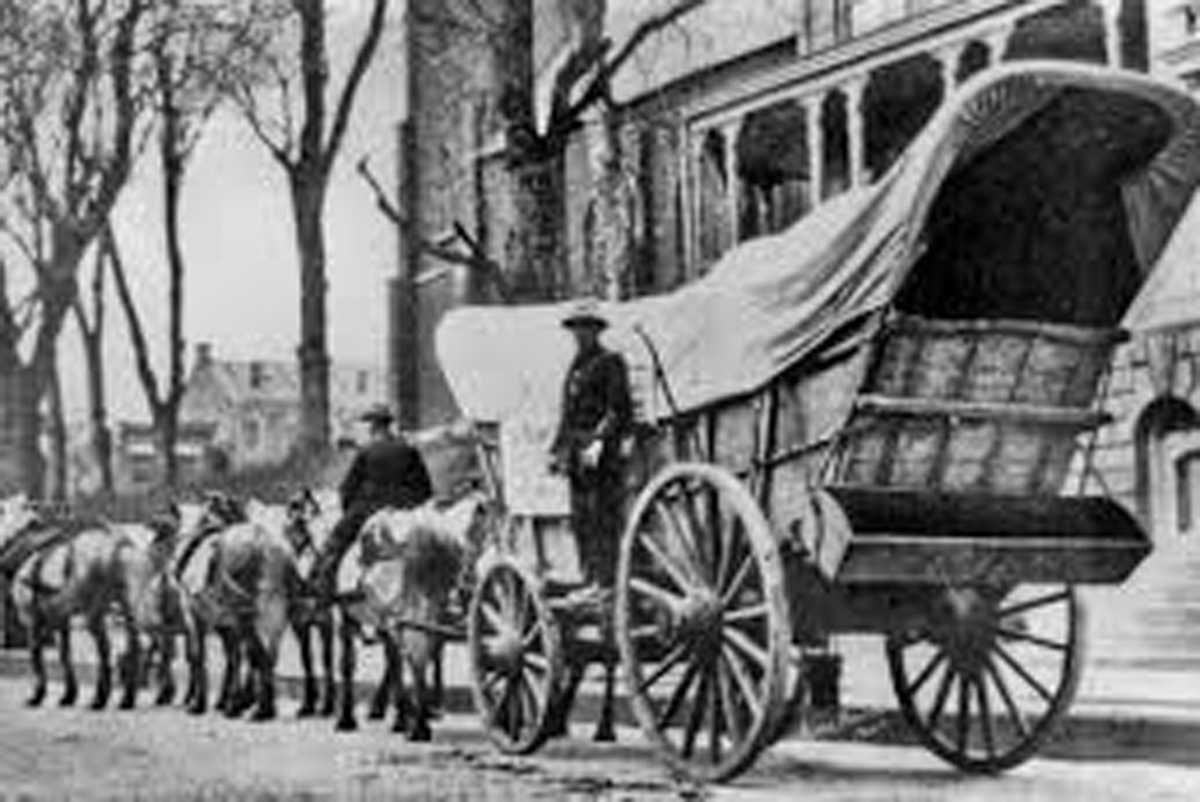
I left Iowa
for Oregon by wagon train
in 1853
with my husband and seven children,
and another on the way—
this is the diary
of our five months’ journey,
by me, Amelia Knight.
.
Friday. July 22.
Before daybreak we crossed
the Snake River. It cost
four dollars per wagon
to use the ferry boat.
Then we swam the stock.
After breakfast, my boy Chat
just escaped being run over.
As we readied to start, he came
around the forward wheel
to climb into the wagon;
just then the cattle started,
and he fell underneath.
Somehow he kept away
from the rolling wheels and survived
with only a scare.
I never was so frightened.
.
Monday. August 8.
Today a 22 mile drive
with no water. We filled our cans
full this morning, before we left,
unknowingly, our Lucy behind,
and not a soul missed her.
She was sitting on the river bank
watching the other wagons cross
and did not see us go.
I supposed she was with Francis
in Mr. Carl’s wagon
and he supposed she was with me
as she often came for me to comb
her hair. When we stopped to rest the cattle,
another wagon train drove up
behind us, and Lucy was with them,
terribly frightened—and then
we realized what had happened.
.
Tuesday. August 18.
Commenced the ascent of the Blue Mountains.
A lovely morning; all hands delighted
at being so near timber again
after the weary months of travel
on the dry, dusty sage plains
with nothing to relieve the eye.
.
Just now the men are hallooing—
their echo carries through the woods.
Traveled ten miles today
to camp near the stony banks
of the Grande Ronde River
in a dense forest of pine timber:
a most beautiful country.
.
Thursday. September 8.
Traveled fourteen miles
the worst road ever made,
up and down, so steep, over
rough and rocky hills
through mud holes, twisting
and winding around stumps
and logs and fallen trees.
Now on the end of a log,
now over a tree root,
now bounce down in a mud hole,
then bang goes the wagon’s
other side, and woe be
to people and stores inside.
These mountains are dense with pines,
fir, white cedar or redwood
(the handsomest timber in the world
must be here in these Cascade mountains).
The trees are so dense,
they almost exclude the light of heaven.
No food for the stock except flour.
.
Friday. September 9.
Came eight and a half miles
over corduroy roads
through swamps, over rocks and hummocks.
Crossed the Sandy River
four times. No end to the wagons,
buggies, yokes and chains
lying all along this road.
We passed some splendid good wagons
just left standing, and many horses,
mules, oxen and cows
lying dead in these mountains.
Poor dumb brutes that toil
month after month on this desolate road.
.
Tuesday. September 13.
Ascended three steep, muddy
hills this morning and later drove
over miry ground. We stopped
at the first farm to rest
and buy feed for the stock.
We paid one dollar fifty cents
per hundred for the hay.
And the price of food! Too dear
for poor folks like us,
but we treated ourselves to turnips,
small ones, two bits a dozen.
The weather’s rainy, disagreeable.
Though we’ve reached Oregon,
we may not yet call ourselves
at home. We make our camp
in an ugly bottom with no refuge
except our wagons and a tent.
.
Four days in camp,
another six mile drive,
then outside Troutdale,
my eighth child was born.
After this we crossed
the Columbia River.
It took three days
on skiff, canoes and flatboat.
Here my husband traded
two yoke of oxen
for a half section of land
with a half acre planted to potatoes,
a small log cabin
and a lean-to without windows.
And this is journey’s end.
~
After a journal excerpted in Revelations: Diaries of Women; Mary Jane Moffat and Charlotte Painter, editors; Vintage 1975
Copyright 2023 Sandy Solomon
Sandy Solomon‘s poems have appeared in The New Yorker, The New Republic, The Threepenny Review, The Gettysburg Review, Partisan Review, and Ploughshares. Her book, Pears, Lake, Sun , won the Agnes Lynch Starrett Award from the University of Pittsburgh Press.
Discover more from Vox Populi
Subscribe to get the latest posts sent to your email.

A compelling story. With historical persona poems like this, I wonder what’s left out, elided, what is obscured by the speaker’s own reticence or the author’s—here, e.g., the experience of childbirth on the trail, the absence of any mention of Native Americans. How much of the description is interpolated, perhaps anachronistically, the author’s persona hybridizing with the historical one?
LikeLiked by 1 person
Yes, as we make art from historical records of real people, something new is created that is of our time not theirs.
>
LikeLiked by 1 person