
Vox Populi
A curated webspace for Poetry, Politics, and Nature with over 6,000,000 visitors since 2014 and over 9,000 archived posts.
Akashinga “The Brave Ones”: Nature Protected by Women
AKASHINGA IS A COMMUNITY-DRIVEN CONSERVATION MODEL, EMPOWERING DISADVANTAGED WOMEN TO RESTORE AND MANAGE LARGE NETWORKS OF WILDERNESS AREAS AS AN ALTERNATE ECONOMIC MODEL TO TROPHY HUNTING.
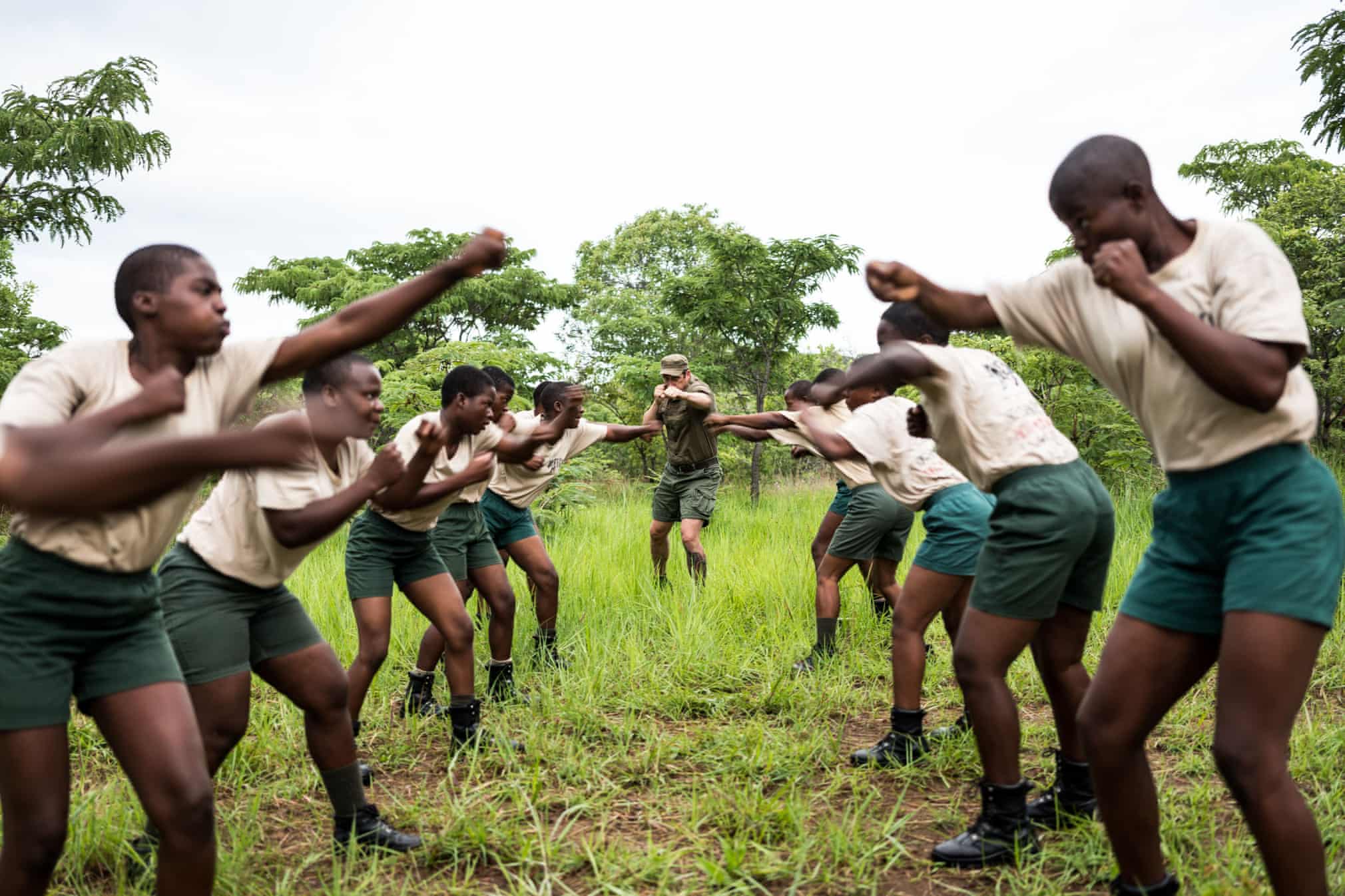
Many current western-conceived solutions to conserve wilderness areas struggle to gain traction across the African continent. We decided to innovate, using all female teams to manage entire nature reserves and have been astounded by the transformation and potential.
The program was started in Phundundu Wildlife Area in Zimbabwe’s Lower Zambezi ecosystem. It builds an alternative approach to the militarized paradigm of ‘fortress conservation’ which defends colonial boundaries between nature and humans. While still trained to deal with any situation they may face, the team has a community-driven interpersonal focus, working with rather than against the local population for the long-term benefits of their own communities and nature.
KEY POINTS
- A growing body of evidence suggests that empowering women is the single biggest force for positive change in the world today
- Trophy hunting areas across Africa take up one-sixth of all landmass across participating countries. An expanse greater than all of France
- The hunting industry is rapidly declining, leaving these wilderness areas and communities without sufficient income to incentivise conservation – Unless an alternative source of income is provided, these areas will be lost, along with their rich biodiversity
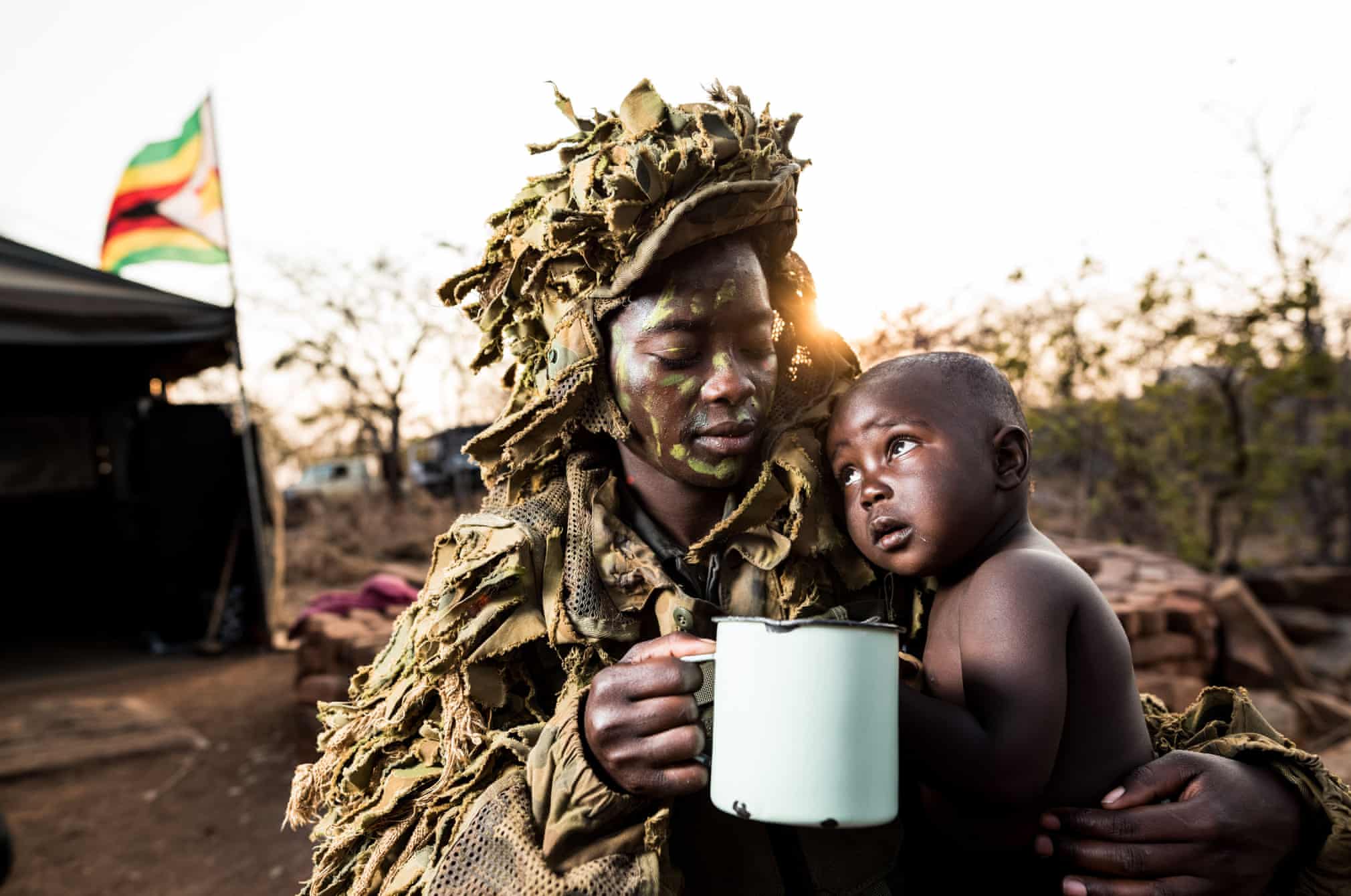
- Akashinga employs the most marginalized women from rural communities; educates and trains them to be rangers and biodiversity managers – protecting the large landscapes previously reserved for and financed by trophy hunting
- A woman with a salary in rural Africa invests up to 3 times more than a male into their family
- 62% of operational costs of the Akashinga model go directly back to the local community, with up to 80% of that at household level, into the hands of women – turning conservation into a community project
- These factors equal a better financial return for the local community than what trophy hunting provided
- This is an efficient, effective and scalable model which inspires and empowers women and gives them the opportunity to secure their own destiny, whilst safeguarding biodiversity
- It prepares women for the worst-case scenario in their roles, but fosters a harmonious relationship with local communities as the best defence against illegal wildlife crime.
VISION
The vision of Akashinga is to replace trophy hunting as an area management tool for conservation in Africa. This achieves landscape conservation at scale: A balance of ecology, economics, ethics and politics for the long-term preservation of large wilderness areas.
GOAL
Akashinga aims to recruit 1000 women, protecting a network of 20 former hunting reserves by 2025 – Wilderness reclaimed from trophy hunting and run by women.
STRATEGY
Akashinga puts the empowerment of women at the centre of the strategy. This gives the greatest traction in community development and conservation.
Akashinga is an investment into women and their families, the development of rural communities, neighboring wilderness areas and an alternative to trophy hunting. By empowering rural women the program also locally motivates poverty reduction, healthcare, skills development, children staying in school, rape & sexual assault prevention, increased life expectancy, disease reduction and structured family planning.
Akashinga empowers and inspires. Employed, fighting fit and in charge of their physical and financial destiny, these women can help change the world.
For more information email akashinga@iapf.org
Akashinga is a project of the International Anti-Poaching Foundation (IAPF)
~ The program is entirely vegan for a greener planet ~

Copyright 2019 International Anti-Poaching Foundation.
To make a donation to IAPF, please click here.
Discover more from Vox Populi
Subscribe to get the latest posts sent to your email.

Some insight into the problem:
You get a spiritual bonus if you make it all the way through.😇
LikeLike