

Ron Koertge: An Old Farmer
still has a few cows and goats he helped into this world, then fed with a bottle. They follow him everywhere, eyes rolled up in adoration.
Sean Sexton: Planting Aeschynomene Seed
It pours from a muslin sack like sunlight
through a cracked window shade, fifty pounds
to a metal washtub, old as your footsteps.

karla k. morton: The Next Generation
Not knowing the spring of 1980
would be the worst drought
in the history of Texas,
my father sod an entire acre.
It was my job to water.
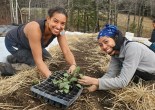
Breanna Draxler: Soil Builds Prosperity From the Ground Up
Respecting the humanity and history of soil can help us grow a more resilient future for all.

Christine Rhein: Sunflowers
The whole world
has pictures, explosions
we hold in our palms
Sean Sexton: Hillside Equipment Auction Yard Outside Dothan, Alabama
I’m the wretch the song’s about
Video: Pile
Water then food. Agriculture then industry. Old then new. Critical then extra. Simple to complex. Concrete to abstract. Dirt to clouds. Real to unreal.
Video: Happiness Family Farm
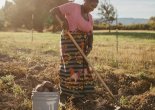
Rosata, her husband, Prosper, and son, Japhety, work year-round on their small farm to harvest fresh fruits and vegetables for the Portland community.
Tim Radford: Lentils can feed the world – and save wildlife too
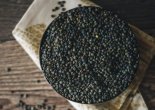
Our research shows that there is potential for giving large areas of land back to wildlife. Restoring native ecosystems not only helps the climate; when coupled with reduced livestock populations, restoration reduced disease transmission from wildlife to pigs, chickens and cows, and ultimately to humans.
Kari Gunter Seymour: Planting By the Signs
I hear my grandmother’s voice, a divination,
Thick rolls the mist, that smokes and falls in dew.
Stephanie Hiller: COVID-19 Sparks a Rebirth of the Local Farm Movement
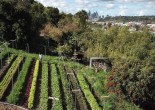
Could this be the beginning of a new food economy?

Niaz Dorry: Rural America Is Reeling. What’s the Remedy?
While the U.S. government has prioritized the bailout of Wall Street with public monies, it has marginalized distressed rural communities and failed to provide the necessary funds, expertise and assistance to help revitalize them.

Leah Penniman: By Reconnecting With Soil, We Heal the Planet and Ourselves
Enslavement and sharecropping cannot erase thousands of years of Black people’s sacred relationship with the land.

Doug Anderson: You in the Mercedes
You in the Mercedes with a phone clamped to your ear honking at the farmer who’s had the temerity to drive a tractor, slowly, in a no-passing zone, in front … Continue reading
