

Jason Baldinger: a people’s history of williamson west virginia
instead we holed up
in a burned-out department store
rechristened junk shop
sifting boxes of ten cent
black and white photos
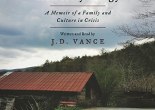
Lennard J. Davis: Hillbilly Elegy is an example of ‘poornography,’ in which the rich try to speak on behalf of the poor
JD Vance has climbed to his current position as former President Donald Trump’s running mate, in part, by selling himself as a hillbilly, calling on his Appalachian background to bolster … Continue reading
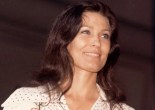
Stephanie Vander Wel: Loretta Lynn was more than a great songwriter – she was a spokeswoman for white rural working-class women
Lynn’s songs defied societal expectations by connecting her musical representations of working-class and rural women to broader social issues affecting women across the U.S.

Kari Gunter-Seymour: An Appalachian Woman’s Guide to Beer Drinking
Drink to the twisted torch of freedom, washed down
with fracking waste, red clay dust, the bitter soot
of coal’s see ya later sucka!
Kari Gunter-Seymour: To No One in Particular
I am never happy to see summer go,
earth stripped of its finest voice.

Video: West by God
At a water park deep in the Appalachian Mountains, Nelly locks eyes with Dane. On an awkward date, they drive around their West Virginia town, and Dane shares a version of himself others don’t see.

Pauletta Hansel: The Stepmother’s Lament
Tell me,
what am I
supposed to do
with all this love?

Kari Gunter-Seymour: That Spot where Raccoon Creek Meets Brush Fork
I wish I could say
I lay your body under the honeysuckle
the day you crossed over, let vine and wisp
hang nectar all around you.
Pauletta Hansel: The Road
There’s only past throwing
its shadow on the lane that sends you back
toward what is gone. Your eyes will soon adjust.
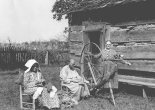
Kari Gunter-Seymour: Last Night the Chime Of Tree Frogs
Granny Woman dances
under breeze-shivering branches,
her skirts a waltz of wings,
mouth full of stories.
She has emptied her house of men.

Video: J.D. Vance| America’s Forgotten Working Class
J.D. Vance grew up in a small, poor city in the Rust Belt of southern Ohio, where he had a front-row seat to many of the social ills plaguing America: a heroin epidemic, failing schools, families torn apart by divorce and sometimes violence.
Pauletta Hansel: Joy
When we finally sprung my father from the hospital
after days spent staring at the cardio unit’s
cinderblock walls the color of nothing
good, his joy could not be contained.
Kari Gunter Seymour: Planting By the Signs
I hear my grandmother’s voice, a divination,
Thick rolls the mist, that smokes and falls in dew.

Amy M. Alvarez, Jameka Harley: How Black poets and writers gave a voice to ‘Affrilachia’
A turning point took place 30 years ago, when Black Appalachian culture experienced a renaissance centered around a single word: “Affrilachia.”
