
Vox Populi
A curated webspace for Poetry, Politics, and Nature with over 6,000,000 visitors since 2014 and over 9,000 archived posts.
Derrick Z. Jackson: The Fight for Clean Water — Majesty or Madness
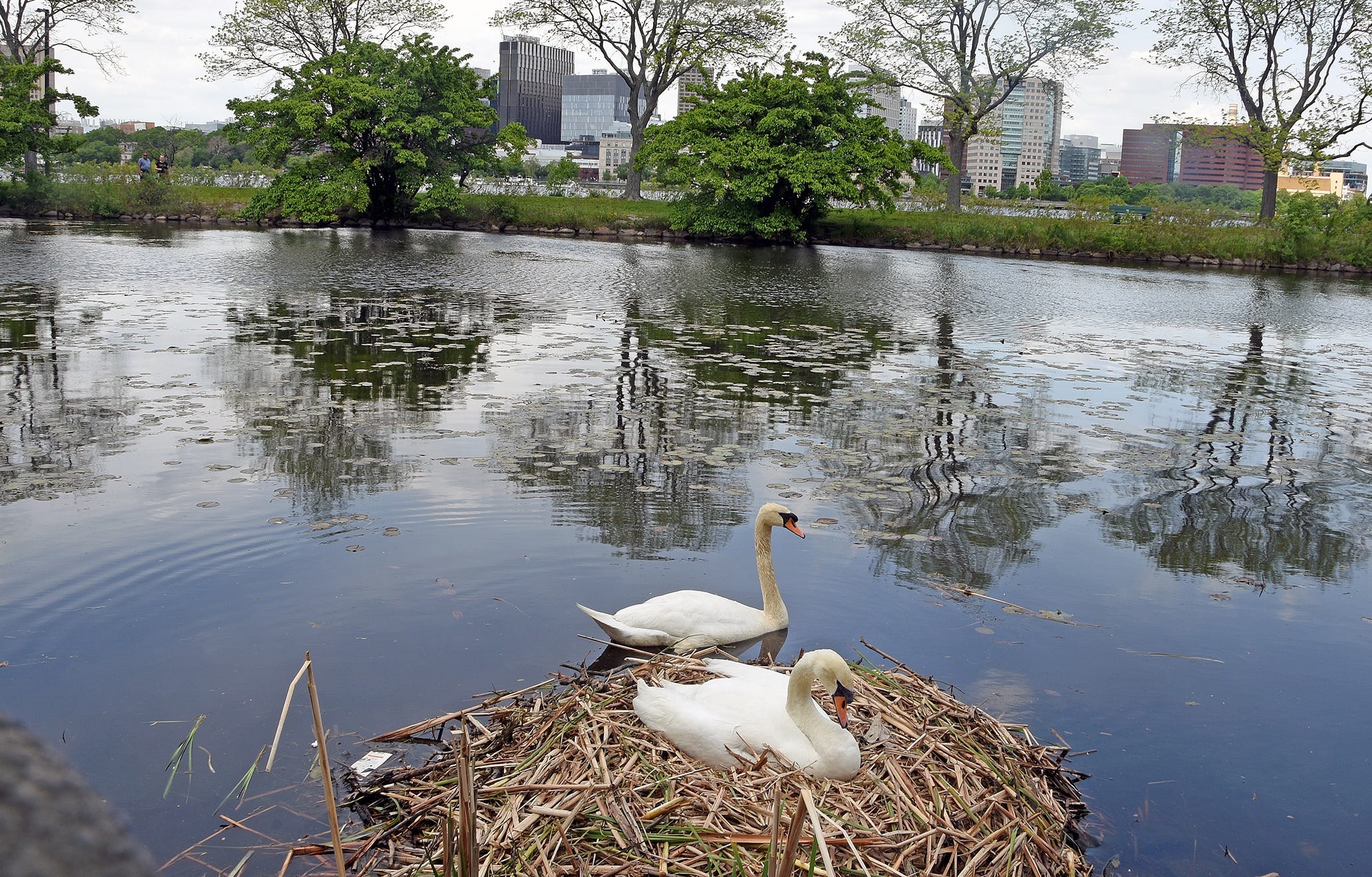
This spring and summer, I was awed by the majesty of waterways cleaned up in the Northeast by the strong environmental laws we’ve had in place over the last half century.
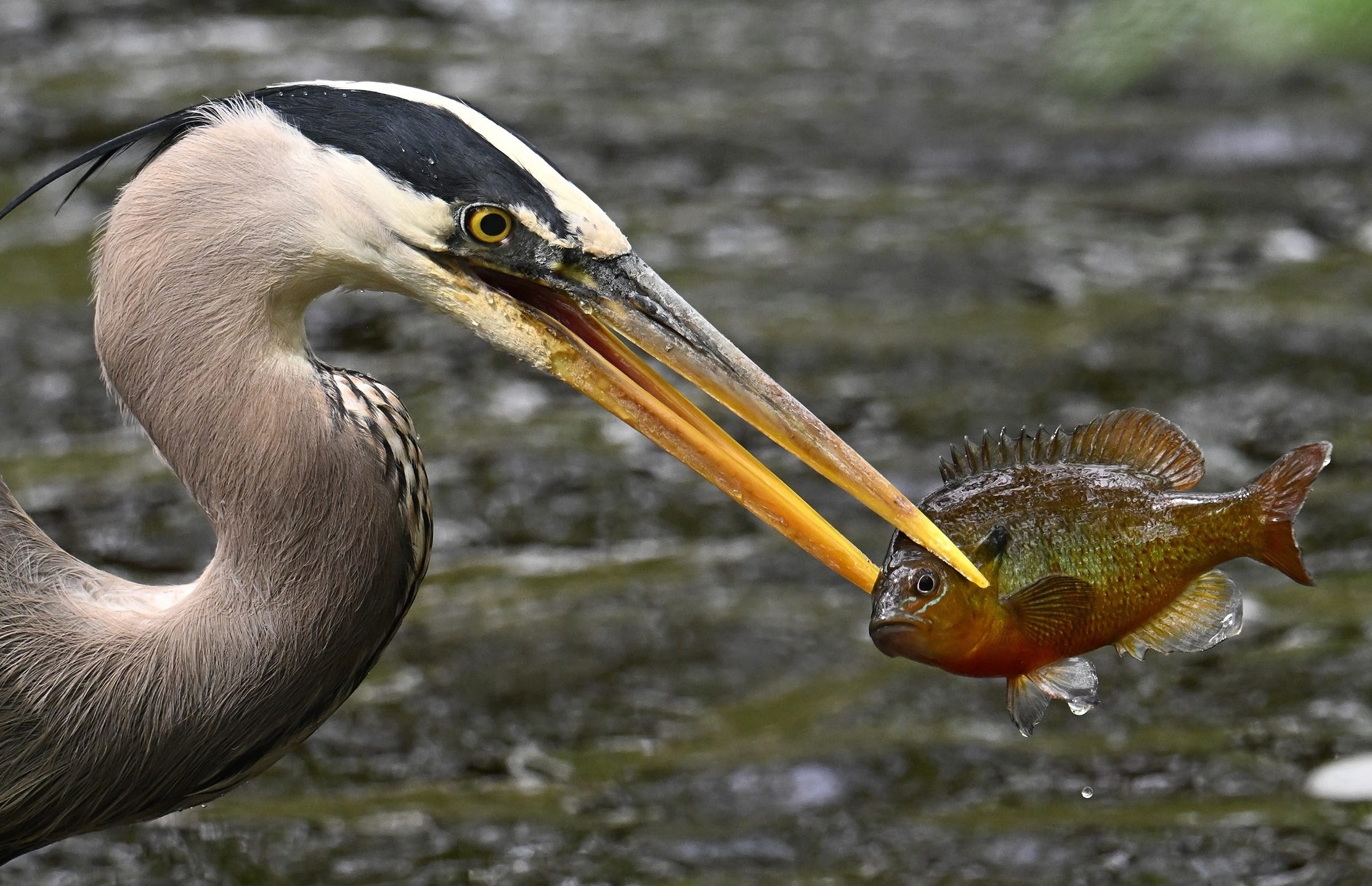
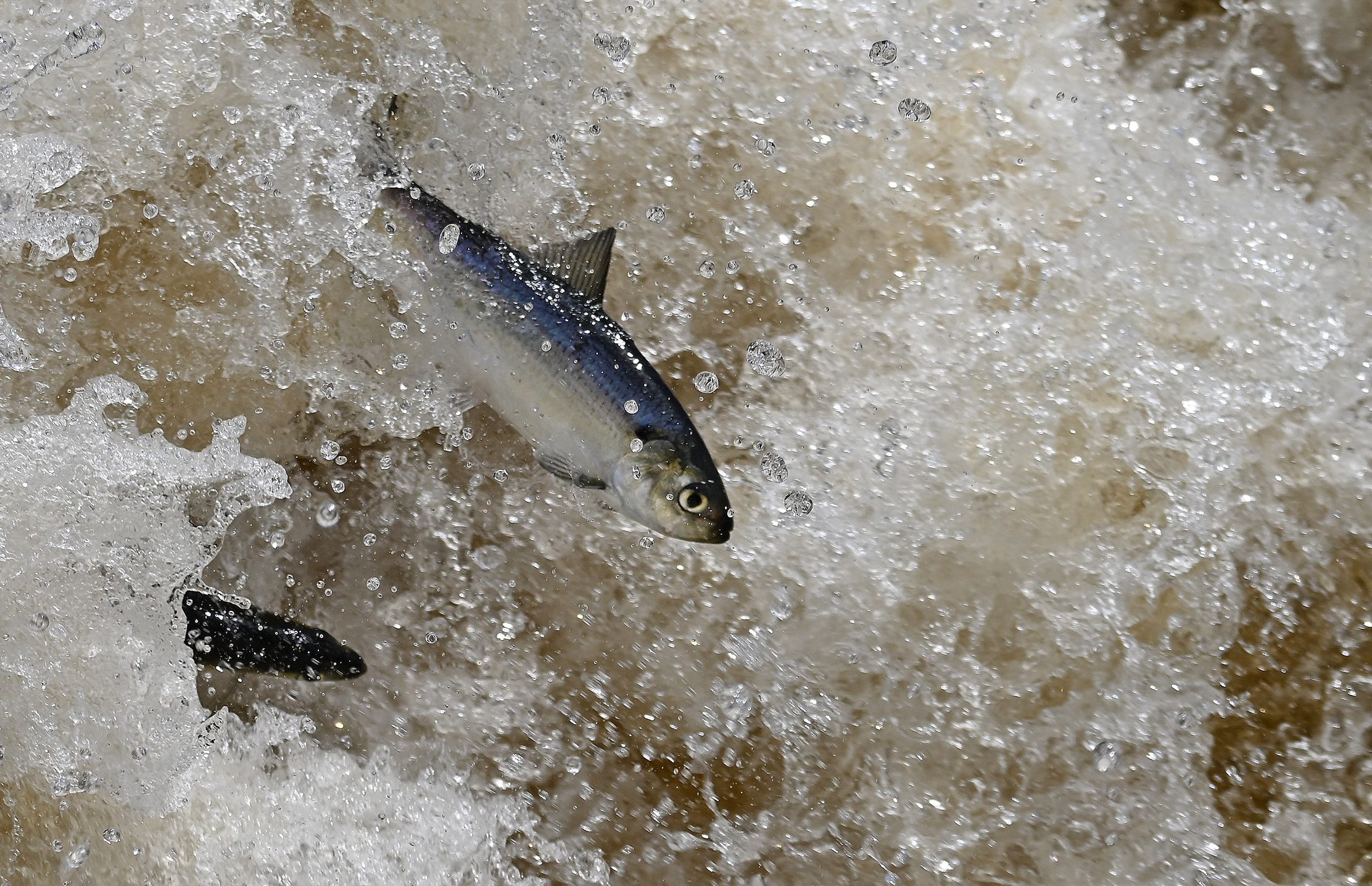
At home in Cambridge, Massachusetts, I walked along the banks of the Charles River as it winds its way through greater Boston. In the mid 20th century, it was so fouled by industrial pollution that boaters who fell into the water were advised to get tetanus shots. Today, thousands of river herring speed upstream in the spring to spawn. One morning, I came upon six great blue herons grabbing herring out of the water as gulls swooped down for the leftovers. The Charles is now its own wildlife refuge.
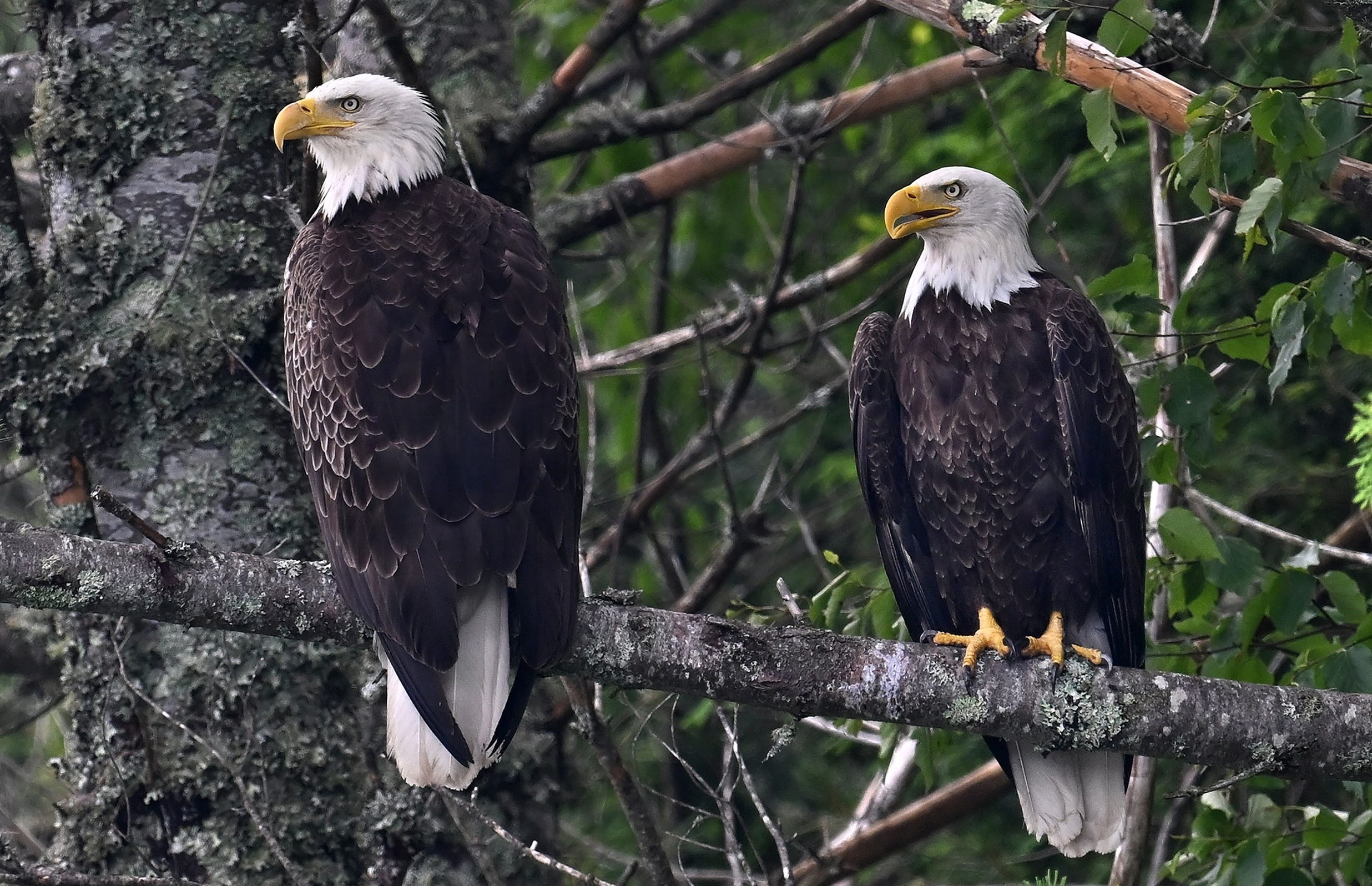
I also ventured south to the Bombay Hook National Wildlife Refuge in Delaware, where I witnessed migrating bald eagles descending from the sky to pluck fish out of the water and great blue herons gobbling up white perch bigger than their heads. Once a swamp muck, it was transformed into what it is today thanks to a segregated African American Civilian Conservation Corps team 85 years ago. Its marshes are so important for migratory birds that the Obama administration poured more resources into it in the Delaware River Basin Conservation Act.
Heading north, my wife and I canoed on the Penobscot River and the Androscoggin River in Maine. Both rivers once had the oxygen literally sucked out of them by poisons from paper mills, tanneries, chemical companies, sewage facilities and farm runoff. It was so polluted that Suzanne Clune, an 11-year-old girl who lived along the Androscoggin, wrote Maine Sen. Ed Muskie to complain about the stench from floating dead fish. Her letter was one of the inspirations for Muskie to introduce a bill in 1971 that would become the Clean Water Act.
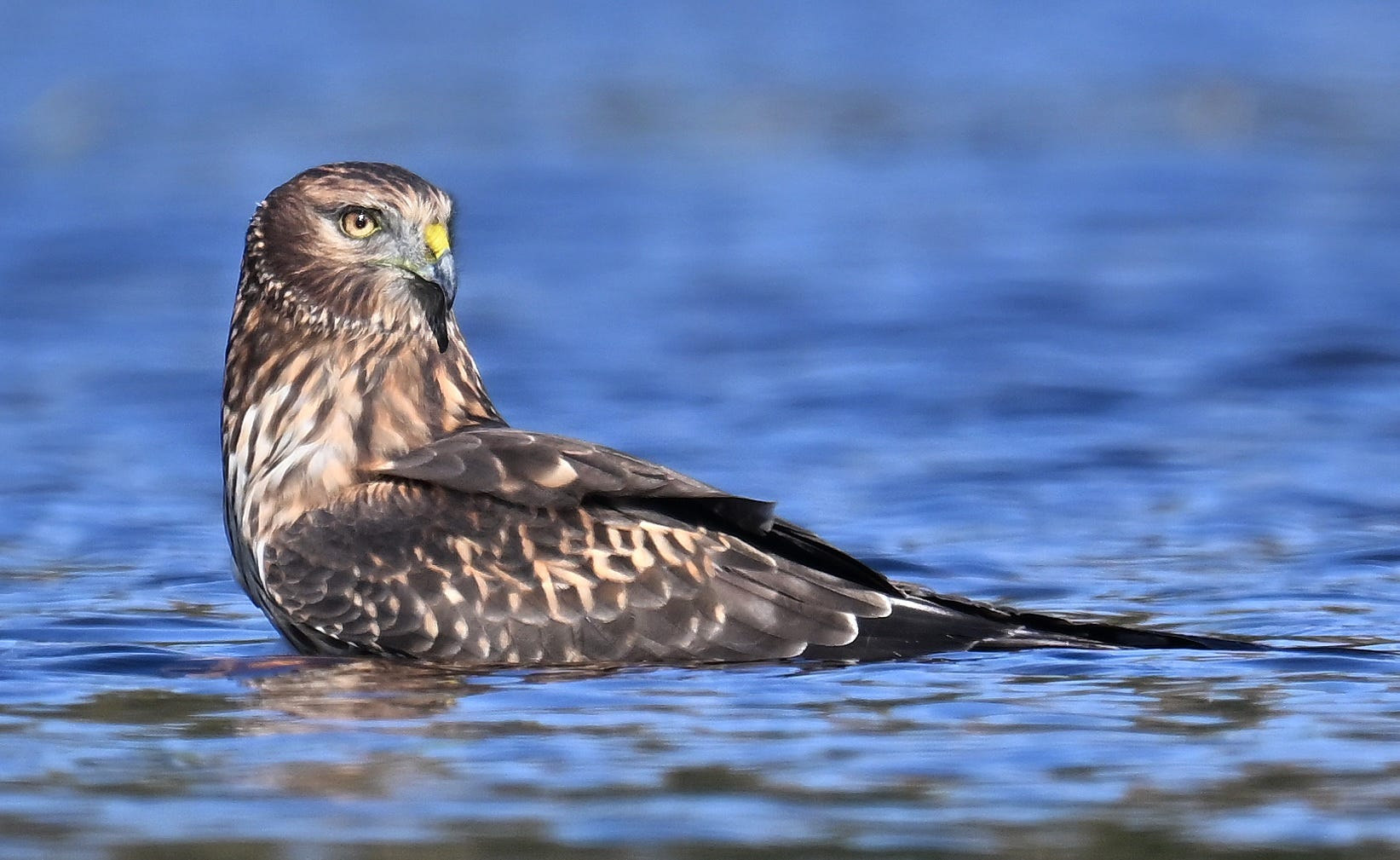
Five decades later, the river teems with wildlife. My wife and I saw eagles, herons, kingfishers and osprey snapping up fish; moose and deer munching in marshes; harrier hawks patrolling the marshes for mice and voles; and beavers slapping their tails.
As enthralling as our encounter was with Maine wildlife, we paddled on not knowing if their habitat—or the habitat in Massachusetts and Delaware—will continue to be protected. The current occupants of the White House, Congress and the Supreme Court are clearly bent on tearing the Clean Water Act to shreds. This week, in the administration’s latest move to hand the fate of our waterways and wetlands back to polluters, the Environmental Protection Agency (EPA) officially proposed to remove most wetlands from federal protection.
Reversals Underway
In 2023, the Supreme Court, which Trump packed in his first term to create a conservative supermajority, set the stage for the EPA’s announcement by ruling that countless wetlands and ephemeral Western streams were not worthy of protection. Earlier this year, the high court also ruled that the EPA cannot punish polluters when their raw sewage discharges jeopardize water quality.
Confident that the Supreme Court will defend it against environmental group challenges, the second Trump administration is proposing a 2026 fiscal year budget that would slash at least $5 billion from a slew of EPA, Interior Department and U.S. Department of Agriculture programs that protect water quality, foster water conservation, and fund water pollution science.
The EPA’s budget itself is slated for a 55 percent cut. Among the biggest targets are the agency’s State Revolving Fund program that supports water infrastructure projects; water management projects in the West; Superfund cleanups; the U.S. Geological Survey’s water, energy, mineral and ecosystem research; and the U.S. Fish and Wildlife Service’s conservation and science programs.
Those proposed cutbacks come on top of those already made this year, including the cancellation of nearly 800 EPA environmental justice grants and a $2.5 billion cut from the $3 billion Biden administration program addressing injustices in marginalized communities. Many of the canceled grants involve projects protecting water, including removing lead, PFAS and other toxic chemicals from drinking water; preventing floods; cleaning watersheds to protect wildlife; and upgrading wastewater and sewer systems.
EPA Administrator Lee Zeldin is also relaxing rules or extending deadlines on wastewater and coal ash from coal plants and handingcoal ash dump oversight back to the states. He has proposed to repeal mercury and air toxics emissions limits and compliance procedures. He withdrew stricter standards for wastewater discharges from the meat and poultry industry that can cause oxygen-depleting algal blooms lethal to fish and contaminate drinking water.
To justify such sweeping cutbacks, which threaten the health of people, wildlife and entire ecosystems, the Trump administration claims it is saving taxpayers billions of dollars in “waste” when in fact it is rewarding the polluting industries that have bankrolled Republican campaigns for decades.
The smokescreen of “waste” also obscures the goal of conservatives, as laid out loud and clear in the Heritage Foundation’s Project 2025 blueprint, to ignore environmental injustice in communities of color that have endured centuries of displacement, disinvestment, discrimination and disproportionate pollution. The Biden administration EPA identified a $625-billion backlog in drinking water infrastructure needs, a critical issue for African American communities exposed to lead via multiple sources, including tainted drinking water.
Benefits of Renewal
Cleaning up U.S. waterways not only benefits public health, it also benefits the economy. The Environmental Data & Governance Initiative, a nonprofit research collaborative, estimates that the $2.5 billion in canceled grants would have resulted in $6.4 billion worth of economic activity and created 65,000 jobs. The Supreme Court’s ruling that puts wetlands at risk, meanwhile, will undermine the critical role they play as nurseries for the nation’s commercial and recreational fisheries that were worth at least $321 billion in 2022 and accounted for 2.3 million jobs.
Clean water also is vitally important for the outdoor recreation industry. In 2022 alone, Americans spent nearly $400 billion on fishing, hunting and wildlife watching. Then there are the health threats to consider. A 2024 report by the Centers for Disease Control and Prevention estimated that waterborne pathogens annually cause more than 7 million illnesses, 118,000 hospitalizations, and 6,630 deaths at a cost of $3.33 billion.
The Trump administration’s attack on environmental safeguards comes amid a string of good news stories directly tied to the Clean Water Act. Examples include:
- This fall, Chicago held its first sanctioned swim in the Chicago River since 1927 to celebrate a recovery that earned the waterway this year’s Thiess International River Prize.
- Other U.S. rivers that have won the Thiess Prize recently include the James River in Virginia, the San Antonio River in Texas, the Niagara River in New York, and my hometown Charles River.
- Out West, dam removals at the behest of Indian nations enabled Indigenous kayakers to be the first people in more than a century to navigate the Klamath River—a Thiess Prize finalist and American River’s 2024 River of the Year—all the way from its headwaters in the Cascade mountains to the Pacific Ocean. Spawning salmon are swimming upstream once more.
- In 2022, on the 50th anniversary of the Clean Water Act, the National Wildlife Federation published a report that singled out four rivers as emblematic success stories: the Columbia, Des Plaines, Potomac and Cuyahoga, which famously caught on fire in 1969.
Much More Work to Do
This is not the time to turn back the clock. Although the Chicago River is now clean enough to swim in again, 68 percent of Chicago children below the age of 6 drink lead-contaminated water. And, according to the EPA’s own data, at least half of the U.S. population drinks water contaminated by PFAS, the so-called “forever chemicals” that have been linked to cancer and other diseases.
The EPA’s National Rivers and Streams Assessment, updated last year, found that the percentage of rivers and streams with healthy and diverse fish communities increased from 25 percent to 35 percent—not even close to half. According to the assessment, nearly half of rivers and streams are still in fair or poor condition for fish.
More work also needs to be done on the rivers I visited earlier this year. Mercury remediation efforts have just begun on the Penobscot, for example. During heavy rains, the Charles is still at the mercy of antiquated pipes that discharge raw sewage into it.
Acclaimed author Maya Angelou explained perfectly why we need to clean up our rivers. “When we cast our bread upon the waters,” she wrote, “we can presume that someone downstream whose face we will never know will benefit from our action, as we who are downstream from another will profit from that grantor’s gift.”
As a paddler and river rambler, I have certainly profited from the gift of a half century of clean water protections, marveling at heron spearing herring and eagles careening in the sky. We are so close into turning once-toxic waters into wildlife refuges and are so much more aware—especially after the Flint water crisis—of the value of pristine drinking water.
The question is whether the nation values its water enough to resist this wholesale attack on environmental protections. It is crystal clear what levels of pollution the Trump administration is willing to cast upon the waters. We should not have to wait for another young girl to write a letter about dead fish floating in a river to get a senator’s attention.

Derrick Z. Jackson, a former Union of Concerned Scientists fellow and Boston Globe columnist, is the author and photographer of “Project Puffin” (Yale University Press, 2015) and “The Puffin Plan” (Tumblehome Books, 2020) on the restoration of puffins in Maine.
This article is distributed by Money Trail, a fiscally sponsored project of the Alternative Newsweekly Foundation, a 501(c)(3) public charity, EIN 30-0100369. Donations are tax-deductible to the extent allowed by law.
Discover more from Vox Populi
Subscribe to get the latest posts sent to your email.

One of my favorite writers.
LikeLike
I know when you post a Derrick Jackson essay, I will want to go back and read again, slowly. He provides some hope if we can remember what was accomplished once after this time of darkness.
LikeLiked by 1 person
Yes, me too.
>
LikeLiked by 1 person
Dear Barbara,
Thank you so much for your wonderful thoughts about my writing providing hope. Happy, Hopeful Holidays. Derrick
LikeLiked by 1 person
Google: “Donald Trump’s approach to water and river security has focused on reducing federal environmental regulations, which he and his administration framed as a way to lower costs for industries like agriculture and development. Key actions included the repeal of the Obama-era Clean Water Rule, which had expanded protections to millions of miles of streams and wetlands. Environmental groups argued these rollbacks put water quality at risk for communities, especially low-income ones, and could lead to more pollution and flood damage.”
LikeLiked by 3 people
Thanks for this addition to the dialogue, Rose Mary.
>
LikeLiked by 1 person
I was so very happy with this article, such wonderful developments, so much effort, such delight, and then I thought of what is happening right now and how greed and grift are perhaps going to destroy it all again. I am no longer mad as hell, I am quietly despairing.
LikeLiked by 3 people
Much gratitude, Rose Mary, for your kind thoughts.
LikeLiked by 1 person
Thanks, Derrick!
>
LikeLike
Thanks for this beautiful piece. We have done so well for so long . . .
LikeLiked by 2 people
I love Derrick Jackson’s journalism and photography. He makes his arguments clear through words and pictures.
LikeLiked by 3 people
Thank you very much for your compliments, HC. Derrick
LikeLike