
Vox Populi
A curated webspace for Poetry, Politics, and Nature with over 6,000,000 visitors since 2014 and over 9,000 archived posts.
Sean Sexton: Lightening
Thrice in two weeks, learned friends have misspelled
the word, one place or another. Yet all I recall of these
indiscretions—doubting my own storehouse of terms—
is a rude hammer-strike to the clear pane of memory,
when a lone, sudden bolt startled the end of a passing
storm after everything seemed over.
Did I learn the wrong word or is this world indeed lessening
whether gradually or at once, and another lovely pine
of my familiar horizon assumed the sorrel countenance
of demise: lost green head once—as mine—full, now
brightening if only to disappear into a gathering sky.
~~~~
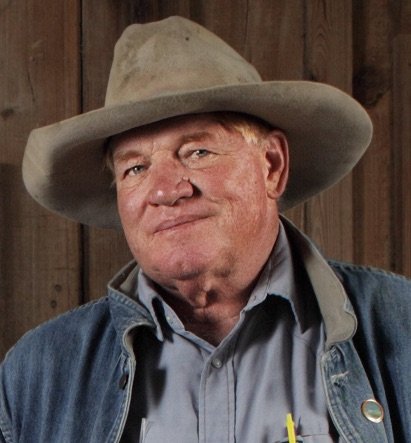
Sean Sexton was born and raised on his family’s Treasure Hammock Ranch and divides his time between writing, painting, and managing a 700-acre cow-calf and seed stock operation. His publications include Portals: Poems (Press 53).
Copyright 2025 Sean Sexton
Discover more from Vox Populi
Subscribe to get the latest posts sent to your email.

I love this short, glittering poem, Sean!
LikeLike
Thankyou Marty!
I certainly miss seeing you at our FLAC Gatherings of old. How the world has changed since those days!
LikeLike
As always, Sean, you take us deep into your world.
LikeLike
Such a beautiful, musical poem!
LikeLiked by 1 person
I love the turn from learned error to enlightenment. Thanks, Sean.
LikeLiked by 1 person
Ditto, Marty!
LikeLike
When poets are told to “lighten up,” they sometimes write light verse– witty and never taken too seriously. But “Lightening verse” is another matter, electrifying enough to chase us into our bolt holes. Finding words for it all makes the weighty burdens we are yoked to more bearable, as do other forms of enlightenment. “For my yoke is easy and my burden is light.” We recall too that an old meaning of “burden” is melody, song.
LikeLiked by 2 people
yes, there’s a difference between ‘light verse’ and ‘enlightened verse.’
LikeLike
Senor Maize: You are an amazing soul.
I remain in awe of you!
LikeLiked by 1 person
Mais oui. The mazy motion of the mind of Monsieur Maize.
LikeLike
What a poem! I’m truly in awe: for its vocabulary choice, its tone, its “storehouse of terms, its imagery & concision. And I didn’t know the word sorrel was also a color: and how I very well know it: I used to gather wild sorrel in Belgium, growing by a little brook near my house. In memory of it, I planted sorrel here in California’s Central Coast, where it barely thrives — it’s so dry here — but I keep watering it, and cut its leaves in thin ribbons, to add to a clear broth, and where it does, indeed, take on that reddish-brown hue. Thank you, Sean for “Lightening”
LikeLiked by 1 person
A lot of resonance in a short poem.
LikeLiked by 1 person
I wondered if Sean was thinking of the sorrel horse, never knew it was the color that named the horse. Wood sorrel? I never checked it off in my wildflower life list. Filled with oxalic acid, so use it sparingly. Peterson says it’s white or pink flowered. It needs to pop up in more poems.
LikeLike
I have “sorrel” in two of my poems because I love it so much and for its tender sound so close to “sorrow”.”..
LikeLiked by 1 person
I always think of livestock hues when describing colors of things, perhaps from writing such descriptions in. Our yearly “calf books,” we carry to record the comings and goings of life on the ranch. We are after all, wittingly or otherwise breeding “rainbows!”
LikeLike
You’re all too kind! What a day—basking in your love! Cuts this cold Winter wind in half!
LikeLike
I always enjoy Sean Sexton’s unique way of sharing his spirit. This poem exercises and enlightens different tribes of my brain cells, rather than the usual frightening rants other parts of my head wrestle with these days.
Even the poem’s wondering about the sorrel countenance of demise, brings me awe, not shock. It’s more than horsing around with words. It’s a panoply of images knocking on the door of lightening wisdom. Or something like that.
LikeLiked by 1 person
a beautiful expression of the ways that poems change us subliminally.
LikeLiked by 1 person
Thank you, Jim.
LikeLike
Thankyou so much Jim: You’re always so kind and attentive to everything on this fabulous site that blesses us all!
LikeLike