
Vox Populi
A curated webspace for Poetry, Politics, and Nature with over 6,000,000 visitors since 2014 and over 9,000 archived posts.
John Keats: When I have fears that I may cease to be
When I have fears that I may cease to be
Before my pen has glean’d my teeming brain,
Before high piled books, in charact’ry,
Hold like rich garners the full-ripen’d grain;
When I behold, upon the night’s starr’d face,
Huge cloudy symbols of a high romance,
And think that I may never live to trace
Their shadows, with the magic hand of chance;
And when I feel, fair creature of an hour,
That I shall never look upon thee more,
Never have relish in the faery power
Of unreflecting love!—then on the shore
Of the wide world I stand alone, and think
Till Love and Fame to nothingness do sink.
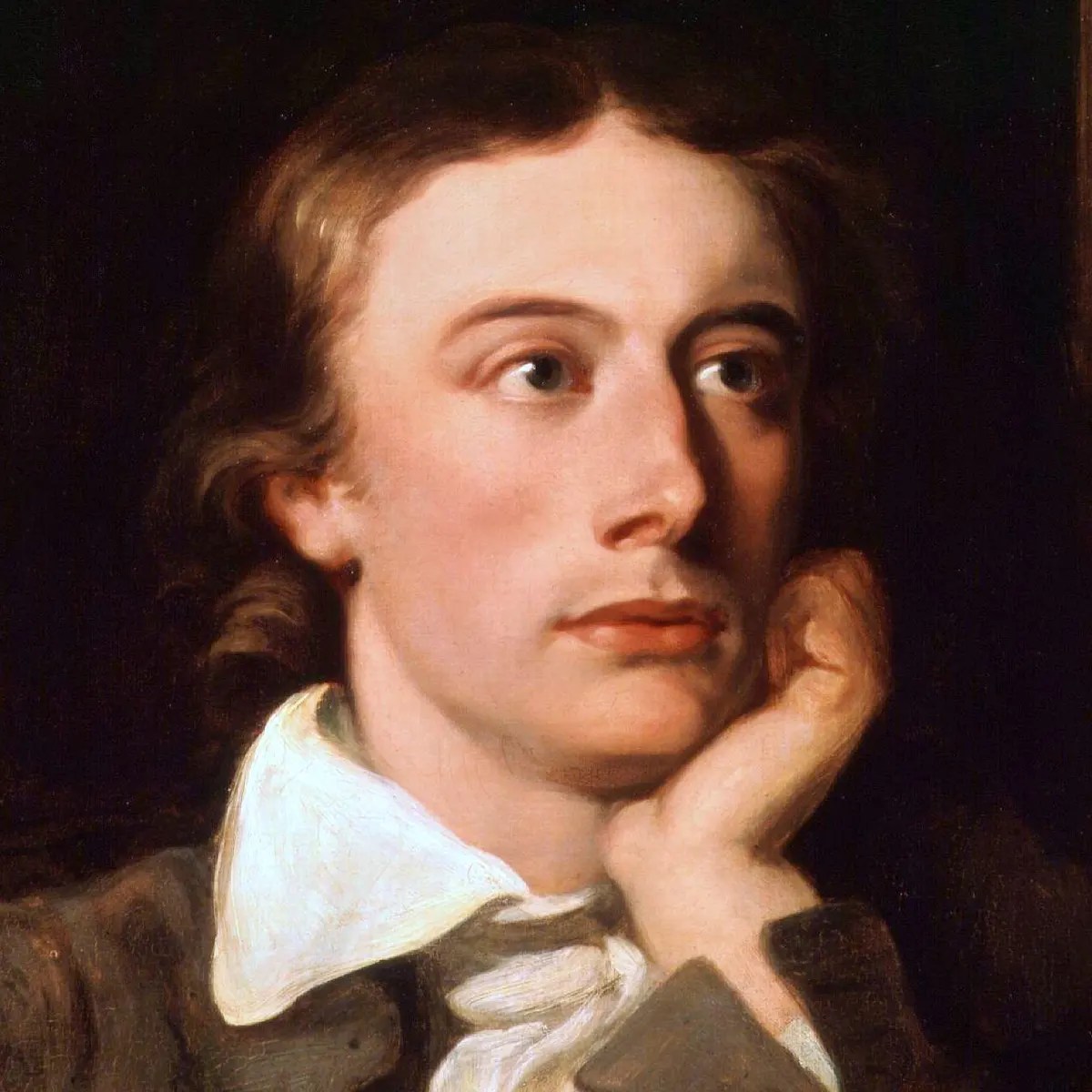
John Keats (1795 – 1821) was an English poet of the second generation of Romantic poets, with Lord Byron and Percy Bysshe Shelley. His poems had been in publication for less than four years when he died of tuberculosis at the age of 25. They were indifferently received in his lifetime, but his fame grew rapidly after his death.
Discover more from Vox Populi
Subscribe to get the latest posts sent to your email.

Christmas with the Brawnes
What film directors achieve by sleight of time
Can mesmerize us. Take Jane Campion,
Who in Bright Star exploits—is this a crime?—
Keats’ “When I have fears” to build a scene upon.
The poet recites for Fanny and Mrs. Brawne
His sonnet with its “that I may cease to be,”
Continues, down to “my teeming brain,” and on
To “the magic hand of chance” till, cunningly
(For here the time frame is all out of whack,
The poem was written much earlier than this)
Keats breaks off: kind Mrs. Brawne construes the slack
As, Tired. Not that: with Fanny near, a bliss
The giveaway next lines must not uncover,
A subtlety over the table’s left to hover.
LikeLike
Sonneteer!
>
LikeLike
So great! May I assume this was shuffled quickly ahead into the daily deck of “poetry cards” based on current events—or don’t things work that way with VP and this is purely coincidental with the undersea tragedy that has captured everyone’s imagination?
In any case, our breathlessness of the beauty and gravity (and perhaps timeliness) of this expression finds sanctuary in the realm of being.
LikeLiked by 2 people
spot on, Sean.
LikeLike